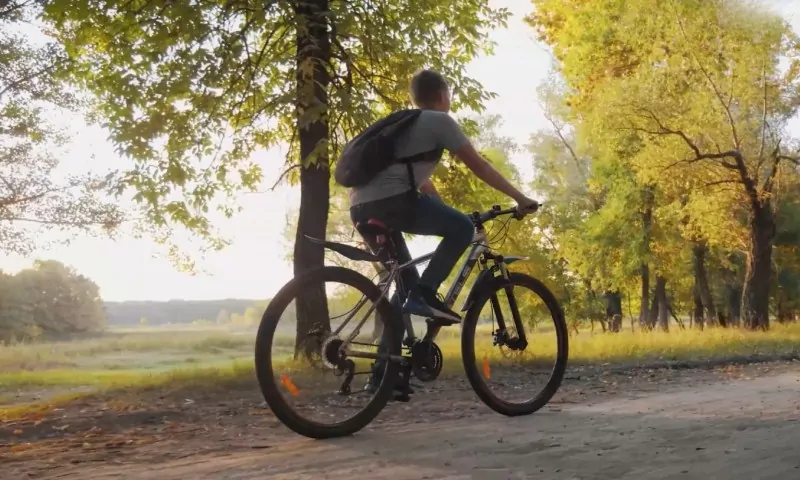
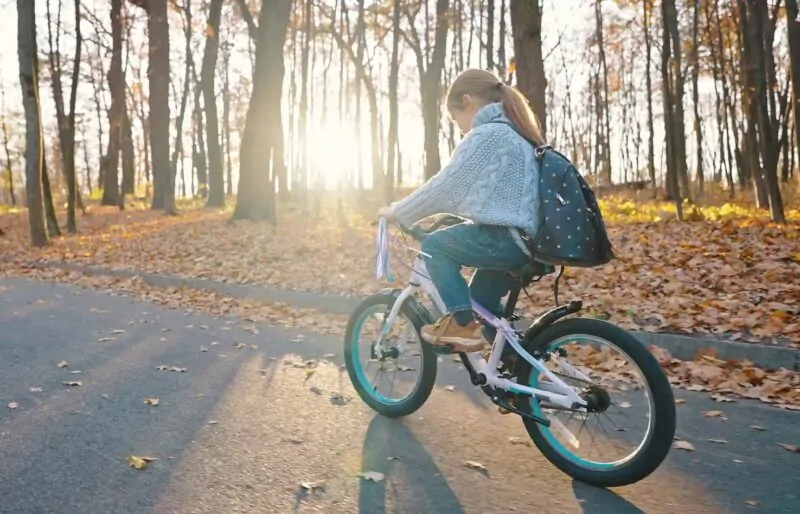
Kids and bikes — a perfect match! But to truly enjoy the freedom and fun of riding, finding a bike that fits your 10-year-old just right is crucial. Too small, and it’s uncomfortable; too big, and it can even become dangerous.
The key to a smooth, enjoyable ride is getting the size just right. So, let’s explore everything you need to know to find that perfect fit.
Wheel Size vs. Frame Size
Unlike adult bikes that are measured by frame size, children’s bikes are primarily sized by wheel diameter. For kids around 10 years old, the most common sizes are 24 inches or 26 inches.
While a 24-inch bike is usually the go-to for this age, taller kids might find a 26-inch bike more comfortable. The key factors to focus on are height, inseam length, and standover height. Let’s break down how to measure each of these.
Measuring Your Child for the Perfect Bike Fit
Step 1: Measure the Child’s Height
- Have your child stand straight with their back against a wall and heels together.
- Use a tape measure to record their height from the ground to the top of their head.
- Write down the measurement in inches or centimeters.
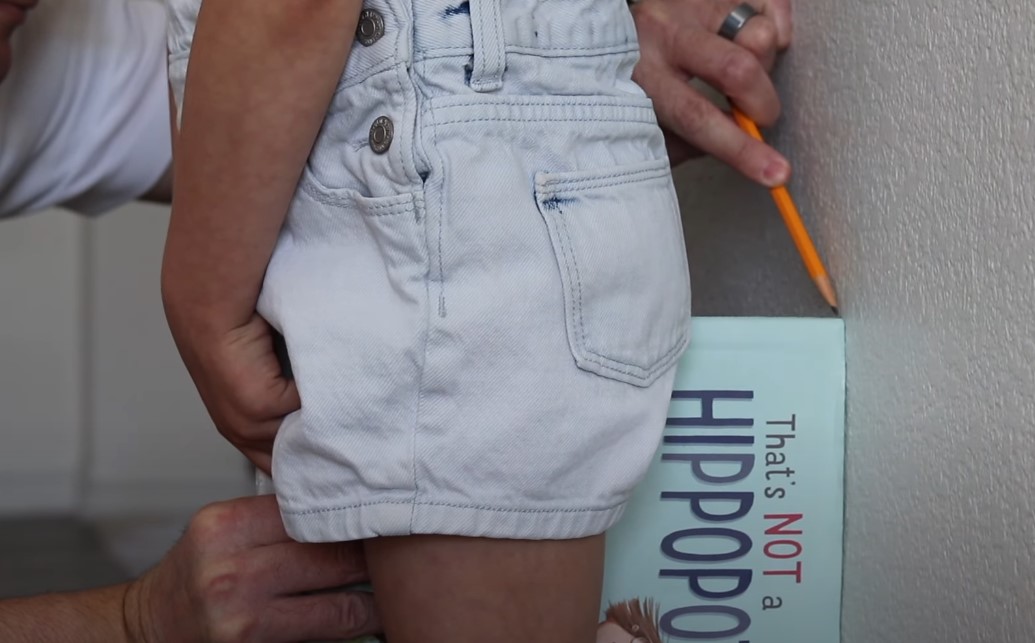
Step 2: Measure the Inseam
This is probably the most critical measurement because it helps adjust the seat height and ensures your child can comfortably touch the ground while seated.
- Ask your child to stand with feet about shoulder-width apart.
- Place a book or a flat object between their legs, snug against their crotch.
- Measure from the ground up to the top of the book.
- Note this measurement down.
Step 3: Check the Standover Height
Standover height refers to the distance between the ground and the top tube of the bike frame. It’s essential for safety — if your child can’t stand over the bike with both feet flat on the ground, it’s too tall.
- Have your child straddle the bike.
- There should be a 1-2 inch gap between the top tube and their crotch.
- This allows them to dismount safely if they need to stop quickly.
Kids’ Bike Sizing Chart
Here’s a quick reference guide to help narrow down your options:
| Wheel Size | Child’s Height | Inseam Length |
| 20 inches | 45-54 inches | 22-25 inches |
| 24 inches | 50-60 inches | 24-28 inches |
| 26 inches | 58-63 inches | 26-31 inches |
How to Test the Bike Fit in Person
Once you’ve found a bike that matches your child’s measurements, it’s time to test it out. Bring your child along to the store (or when the bike arrives if shopping online) to confirm the fit.
Key Things to Check
- Seat Height: Adjust the seat so that when your child sits, their toes can touch the ground comfortably. When pedaling, there should be a slight bend in their knees at the bottom of each stroke.
- Handlebar Position: Your child should be able to reach the handlebars without overstretching. Ideally, their elbows should have a slight bend for better control and comfort.
- Brakes and Controls: Check that your child can reach and operate the brake levers easily. Some bikes have adjustable levers, making it simpler for smaller hands to grasp.
Considering Different Types of Bikes
Now that you’ve got the sizing figured out, let’s look at the type of bike that best suits your child’s riding style. Here are a few options:
- Mountain Bikes: Perfect for kids who love exploring trails and going off-road.
- Hybrid Bikes: Great for versatile riding — whether it’s on paved streets or light trails.
- BMX Bikes: Ideal if your child is interested in stunts and tricks but can also handle casual rides around the neighborhood.
Keep the Growth Spurts In Mind
Kids grow fast, so it’s a good idea to choose a bike with adjustable components to extend its lifespan. Look for models with:
- Adjustable seats
- Handlebars that can be raised
- Adjustable brake levers
Opting for a bike with a bit of room to grow ensures you won’t need a new one next season.
Why the Right Bike Size Matters
Choosing the correct bike size for a child isn’t just about comfort — it’s also about safety and skill development. Here’s why it’s so important:
1. Safety
A properly fitted bike is easier to control, especially when turning or braking. When the bike fits well, there’s less risk of falling or losing balance.
2. Comfort
The right fit means your child can ride longer without discomfort, whether it’s a quick spin around the block or a weekend family outing.
3. Skill Building
A child who feels secure on their bike will have more confidence to try new skills. Whether it’s learning to ride without training wheels, navigating small trails, or mastering bike tricks, a well-fitted bike makes all the difference.
Common Mistakes to Avoid When Buying a Bike
@gmbn Wrong Tyre Choice = Big Mistake! ?? . ? Watch The Full Video LIVE NOW On #YouTube! ? ?? LINK IN BIO ?? . ? 6 Mistakes To AVOID When Buying A New Bike . . #gmbn #mtb #globalmountainbikenetwork #avoid #mistakes #mtbmistakes #newbike #tyres ♬ original sound – GMBN
It’s easy to make a mistake when buying a bike for your child. Here are a few pitfalls to watch out for:
- Buying a Bike That’s Too Big: The idea that kids can “grow into” a bike is tempting, but it can lead to accidents if the bike is too large to control.
- Skipping the Test Ride: Measurements are great, but they don’t tell the whole story. Testing the bike is essential because different brands have slightly different fits.
- Overlooking Weight: Heavy bikes can be tough for kids to maneuver. Look for lightweight materials like aluminum rather than steel, especially for younger riders.
Tips for a Successful Bike Shopping Experience
Shopping for a bike can be an exciting adventure if you keep a few things in mind:
- Bring Your Child Along: Let them test ride a few options. They’ll appreciate being part of the process and can give feedback on what feels comfortable.
- Check the Quality: Pay attention to the frame, brakes, and tires. A sturdy bike will last longer and be safer.
- Don’t Forget Safety Gear: Invest in a properly fitting helmet, and consider knee and elbow pads for beginners or adventurous riders. Safety is always worth the extra cost.
Wrapping Up
Taking the time to measure your child and finding the right size bike is worth it. It ensures your 10-year-old can ride safely, comfortably, and with confidence. It’s not just about buying a bike; it’s about giving your child the gift of adventure, freedom, and countless memories.
So grab your measuring tape, involve your child in the process, and start searching for that bike that’s just right. With the right fit, you’ll be setting them up for years of happy riding — and maybe even a lifelong love of cycling.