Getting your little one their very first bike or upgrading them to a new one is a milestone. It’s not just about picking something that looks fun, as there’s quite a bit that goes into choosing a bike that will give your child a comfortable, safe, and fun riding experience.
Let’s get into all the details—from sizing to safety features—so you can feel confident about choosing the right bike for your 5-year-old.
Why Size Really Matters
When picking a bike, size is the first and most important factor. A bike that’s too big or too small can make riding uncomfortable or even unsafe.
For kids, bike sizes are typically measured by wheel diameter rather than frame size like with adult bikes. For a 5-year-old, you’re usually looking at 14-inch or 16-inch wheels, depending on your child’s height and inseam.
How to Measure Your Child’s Height and Inseam
- Height: Have your child stand against a wall without shoes. Measure from the floor to the top of their head.
- Inseam: This might be a bit trickier! Ask them to stand with their feet a few inches apart. Measure from the floor to the crotch. This helps ensure you pick a bike with the correct seat height.
What Size to Go For?
- 14-Inch Wheels are often best for children around 3’5” to 3’10” (105 cm to 117 cm).
- 16-Inch Wheels work for kids about 3’8” to 4’2” (112 cm to 127 cm).
Remember, if your child is right on the edge between two sizes, it’s often best to go with the smaller size. A slightly smaller bike will give them more control and confidence when they’re just starting.
Key Features You’ll Want in a Kid’s Bike
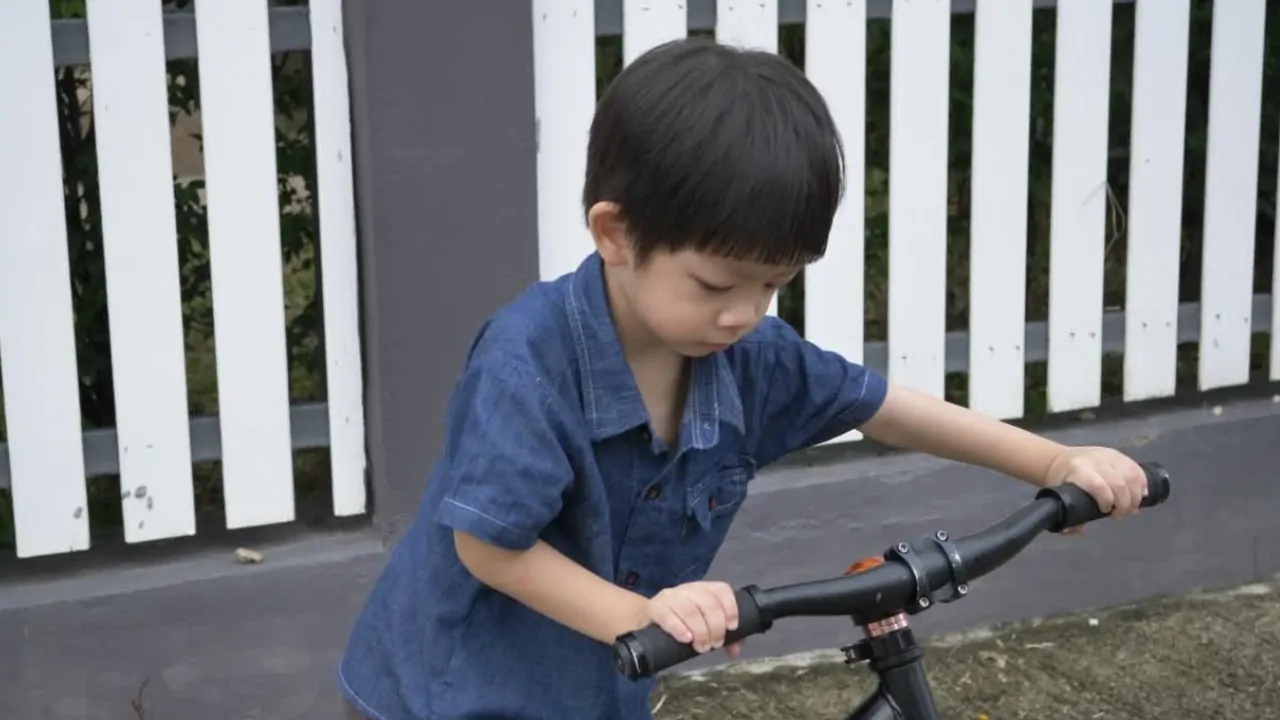
Once the size is figured out, it’s time to look at the features. Not every bike comes with the same setup, and certain features can make a big difference for a beginner rider.
Standover Height and Seat Height
- Standover Height: Your child should have a 1-2 inch (2.5-5 cm) clearance between their crotch and the top tube when they’re standing over the bike. This space lets them get on and off safely.
- Seat Height: Adjust the seat so they can touch the ground with the balls of their feet. Being able to touch down helps them feel stable, which is essential for kids who are just getting used to pedaling.
Brakes (Coaster vs. Hand)
The brakes are a big one. For younger kids, coaster brakes are often easier to use because they simply pedal backward to stop.
But hand brakes can be a good option, too, as long as they’re sized for little hands and don’t require too much force to use. Here’s a quick breakdown:
- Coaster Brakes: Usually more intuitive for younger children.
- Hand Brakes: Great for kids with enough hand strength to use them properly. Make sure they’re easy to grip.
Weight
A heavy bike can make riding feel like a chore for a small child, so look for lightweight options. Aluminum frames are a solid choice here, offering durability without adding too much weight.
Training Wheels vs. Balance Bikes
The classic debate! Should you go for a bike with training wheels or start with a balance bike?
- Training Wheels: Provide instant stability, which can be helpful for kids who need that extra bit of confidence. Just keep in mind that they may make it harder to develop balance.
- Balance Bikes: A great tool to teach balance and coordination from the start. Many parents find that balance bikes help kids learn to ride much faster.
Each has its own benefits, but if you’re looking to build your child’s balance skills early, a balance bike might be the better option. Or, you can start with a balance bike and then move to a regular bike with pedals as they get more confident.
A Few Other Things to Keep in Mind
Beyond the essentials, some extra features can make a big difference in your child’s biking experience. Let’s run through a few:
Adjustability
Kids grow fast, so an adjustable seat and handlebars can add longevity to the bike. Adjustable features mean you won’t have to replace the bike as quickly as they grow.
Safety Features
- Reflectors: To make them more visible, especially if they ride in lower light.
- Chain Guard: Keeps little fingers safe and prevents clothes from getting caught.
- Bell: Not a must, but it’s a fun addition that also adds a bit of extra safety.
Single-Speed Gearing
For most 5-year-olds, single-speed bikes are enough. Gears can add unnecessary complexity and weight, so it’s often better to keep things simple at this stage.
Quality Over Quantity
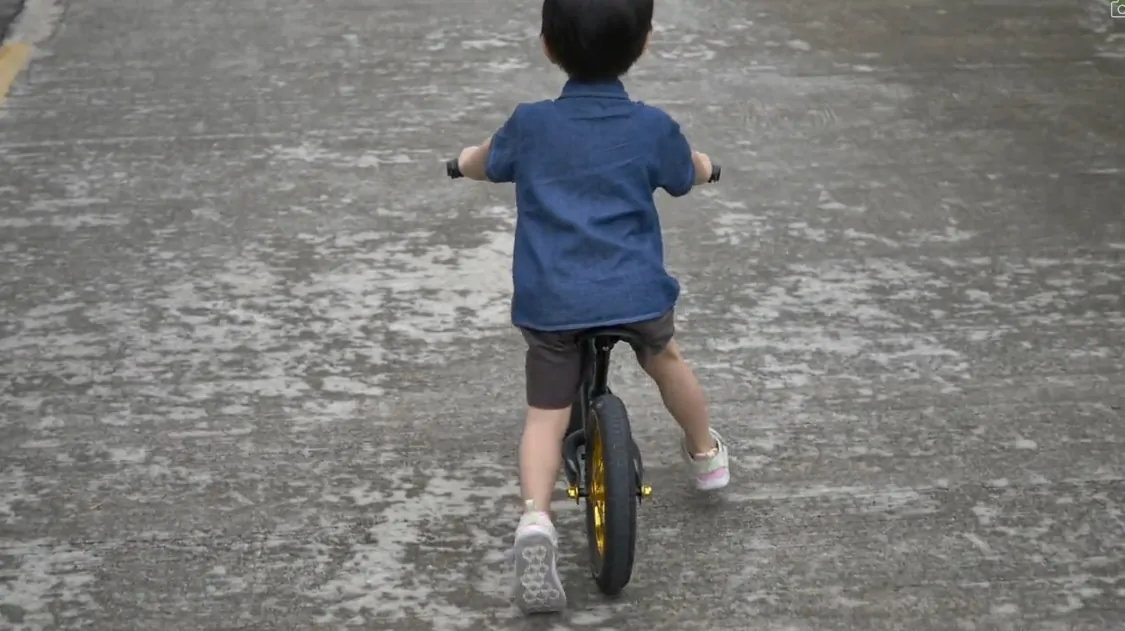
Kids are tough on their toys, and bikes are no exception. Picking a durable bike from a reputable brand can save you a lot of headaches—and potentially repair costs—down the line.
Well-known brands like Woom and Frog design high-quality bikes specifically for kids, focusing on both durability and ease of use.
Quality bikes also often hold their resale value, so if you’re willing to invest a bit more now, you might get some of that back when you resell it. Or, it might become the perfect hand-me-down for younger siblings!
Try Before You Buy
Whenever possible, it’s a good idea to let your child test ride the bike. See if they can comfortably get on and off and if they feel confident controlling it.
A test ride can reveal a lot about the bike’s fit and usability. Make sure they can start, stop, and turn without any struggles.
Don’t Forget the Safety Gear
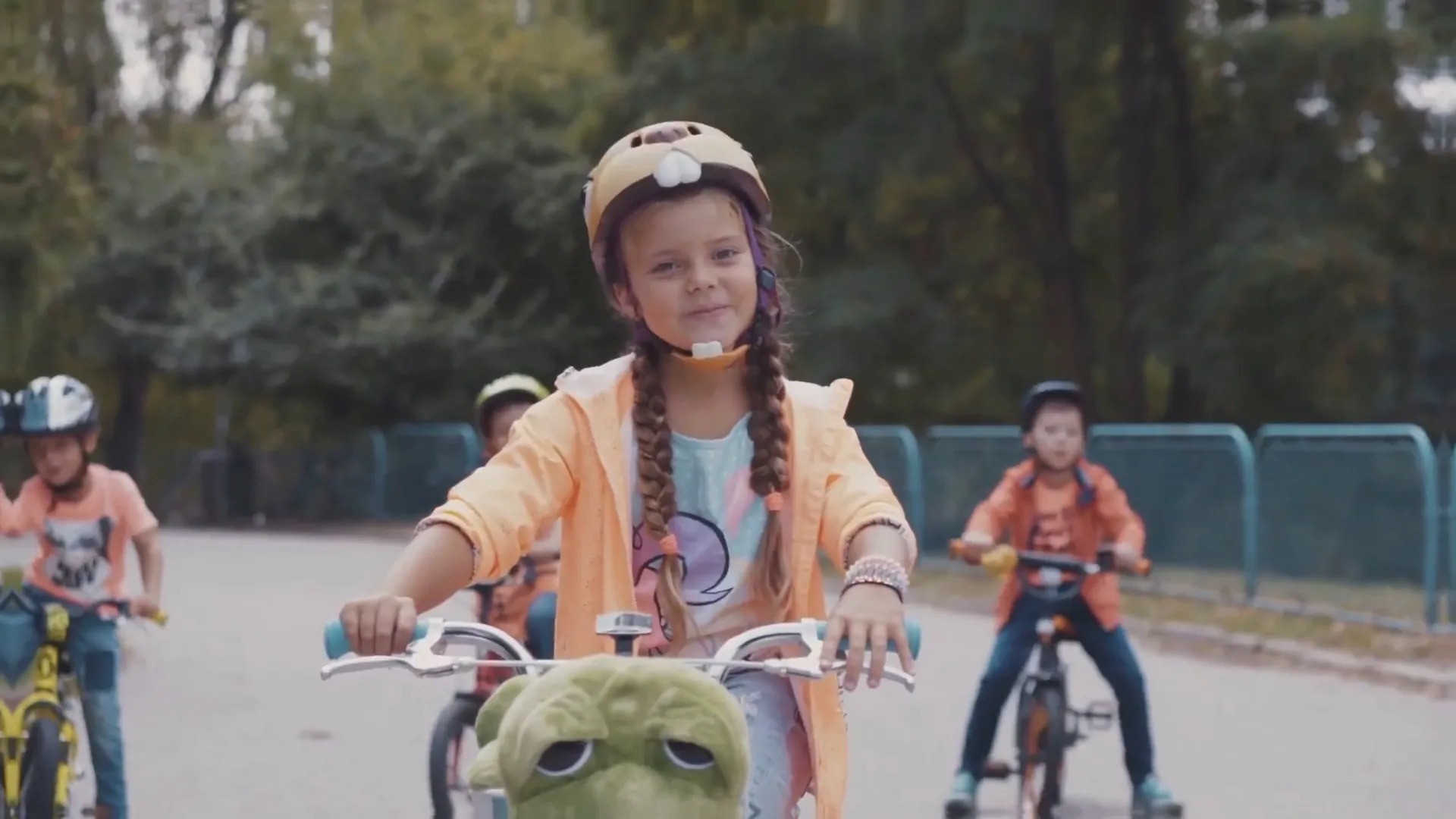
Safety is everything when it comes to biking, especially at a young age. A helmet is non-negotiable, and it’s essential to pick one that fits well.
Some additional safety gear, like knee and elbow pads, can also be helpful while your child gets the hang of things.
A Few Tips for Helmet Safety
- Snug Fit: Make sure the helmet fits snugly and isn’t able to slide around.
- Adjustable Straps: Straps should form a “V” shape around the ears and fasten securely under the chin.
Budget Considerations
When shopping for a bike, it can be tempting to go for the cheaper options. And while there are plenty of affordable bikes that work well, investing in a quality model might give your child a better, smoother riding experience.
A good bike will likely last longer, giving you more value over time.
Keeping the Bike in Good Shape
Once your child has their perfect bike, a little regular maintenance can go a long way. Encourage your child to help with basic care, like checking tire pressure and making sure the brakes are working.
Not only will this keep the bike in good condition, but it’s a great way to teach them responsibility and basic bike maintenance skills.
My Suggestion – Woom Original 3
The Woom 3 is a fantastic choice for 5-year-olds ready to pedal confidently. Designed for children aged 4 to 6 years, it features 16-inch wheels and a lightweight aluminum frame, making it easy for young riders to handle.
The upright riding position and low center of gravity grant that extra stability, helping kids build confidence as they ride. Safety is a top priority with the Woom 3. It comes equipped with child-friendly hand brakes that are easy to reach and operate, ensuring quick and safe stops.
The bike’s ergonomic design, including appropriately sized components, ensures a comfortable fit for your child, promoting a natural and enjoyable riding experience.
Key Features
| Feature | Description |
| Wheel Size | 16 inches |
| Frame Material | Lightweight aluminum |
| Weight | Approximately 5.4 kg (11.9 lbs) |
| Recommended Age | 4 to 6 years |
| Brakes | Child-specific hand brakes |
| Seat Height Range | Adjustable to fit inseam measurements between 45 cm and 55 cm |
| Additional Features | Ergonomic design, low center of gravity, upright riding position |
Wrapping Up
Picking the perfect bike for your 5-year-old might feel like a big task, but it’s also an incredibly rewarding one. Watching your child ride confidently, knowing they’re safe and comfortable, is one of those priceless moments.
A bike isn’t just a toy; it’s a first step toward independence and confidence. By focusing on fit, safety, and quality, you’re setting them up for a lifetime of joyful riding.