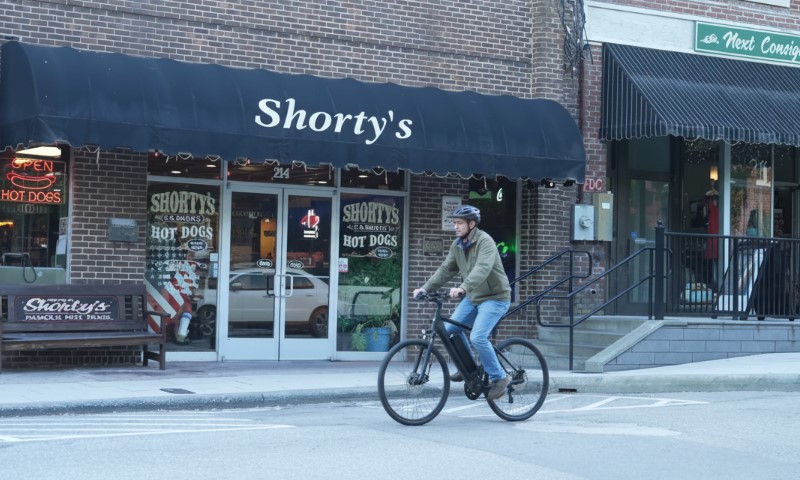
Milwaukee riders now face tighter limits on where faster electric bikes can operate.
The most crucial changes affect Class 3 e-bikes, which use pedal assist and can assist riders up to 28 mph.
Growing e-bike use across city streets, trails, and lakefront routes makes speed rules more important.
Safety, trail access, and rider confusion are now central concerns as more people use e-bikes for commuting and recreation.
Milwaukee’s rules also fit a broader Wisconsin and national trend. E-bike access increasingly depends on bike class, assisted speed, motor type, and riding location.
What Counts as a Class-3 E-Bike?
E-bikes have three main classes, each associated with motor assistance, speed, and control style.
Class 1 e-bikes use pedal assist only and assist up to 20 mph. Class 2 e-bikes can use throttle assist and assist up to 20 mph. Class 3 e-bikes use pedal assist only and assist up to 28 mph.
Main class differences include the following:
- Class 1: Pedal assist only, up to 20 mph
- Class 2: Throttle assist, up to 20 mph
- Class 3: Pedal assist only, up to 28 mph.
Class 3 bikes are different because they can travel faster than many other bikes on shared routes. Many models are ideal for commuting, longer city trips, and road use instead of slower riding on crowded shared paths.
Speed is not the only factor. A Class 3 e-bike generally does not use a throttle, since throttle control is typically reserved for Class 2 bikes. Many rules also require a speedometer so riders can track speed more easily.
Classification matters because it affects where users can legally ride an e-bike. A bike that looks like a regular bicycle may face tighter limits once its assisted speed reaches 28 mph.
Manufacturers are expected to clearly label e-bikes by their maximum assisted speed or class.
Clear labels help riders, agencies, and enforcement officials identify which rules apply before a rider enters a road, bike lane, trail, or shared-use path.
Milwaukee-Specific Riding Context
Milwaukee has several popular e-bike routes used by commuters and recreational riders. The Hank Aaron State Trail runs about 12.0 miles and has roughly 150 feet of elevation gain.
Several local routes carry regular e-bike traffic:
- Hank Aaron State Trail: About 12.0 miles with roughly 150 feet of elevation gain
- Oak Leaf Trail and Lakefront Routes: About 8.9 miles with roughly 120 feet of elevation gain
- Lakefront Path: A major recreation and commuting corridor.
The Oak Leaf Trail and lakefront routes are especially important because they carry many different users in a limited amount of space. Walkers, runners, cyclists, e-bike riders, families, and commuters often share the same corridor.
Crowded areas make speed differences more noticeable. Trail merges, tight turns, stop-and-go areas, and lakefront pinch points can create conflict when faster e-bikes mix with slower users.
Riders are urged to check posted signs and local agency rules before using popular trails. Class 1 and Class 2 e-bikes are commonly allowed where regular bicycles are allowed, but access for Class 3 e-bikes depends more heavily on local rules and trail authority decisions.
Class 3 E-Bike Access Limits
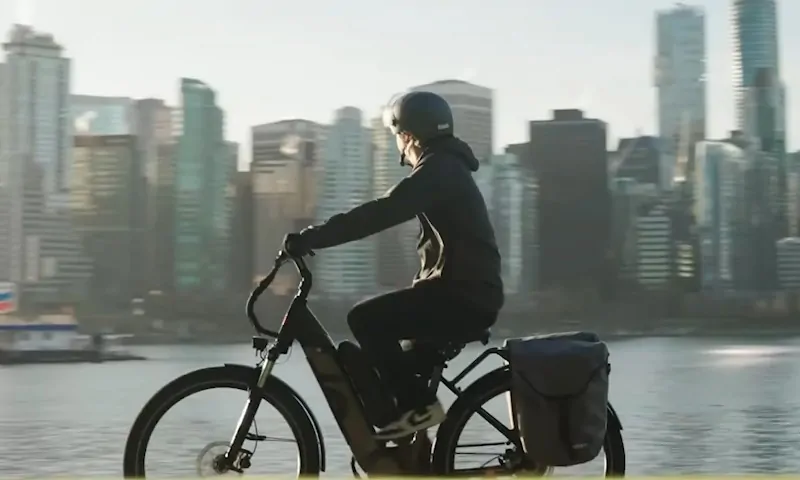
Class 3 e-bikes are more likely to be allowed in places designed for higher-speed travel.
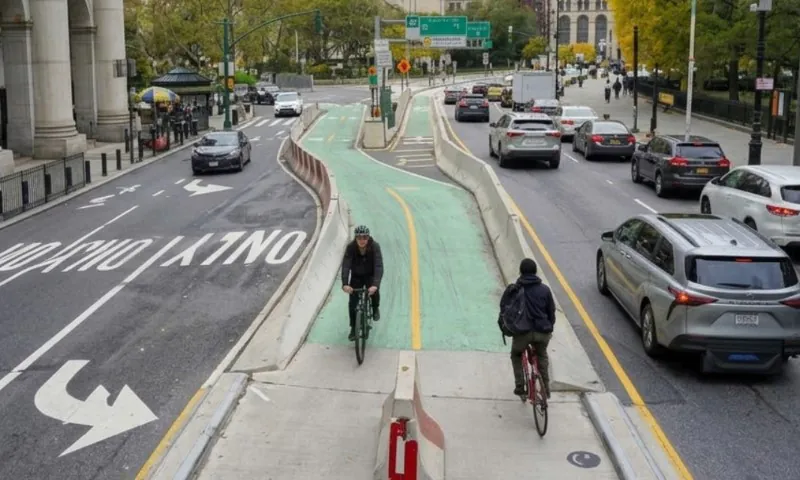
Public roads, on-street bike lanes, road shoulders, and urban commuting corridors are generally better suited to bikes capable of speeds up to 28 mph.
Common Class 3 riding locations include:
- Public roads
- On-street bike lanes
- Road shoulders where bicycles may ride
- Urban commuting routes designed for faster travel.
Restrictions are more common in places with heavy pedestrian use.
Sidewalks, shared recreational paths, park trails, and natural-surface trails may limit or block Class 3 access unless a local agency clearly allows it.
Commonly restricted areas include:
- Sidewalks
- Shared recreational paths unless specifically allowed
- Pedestrian-heavy multi-use trails
- Parks
- Natural-surface trails controlled by land agencies.
In Wisconsin, authorities are more likely to limit Class 3 e-bikes to roadways and on-street bike lanes. Class 1 and Class 2 e-bikes are more commonly allowed on multi-use paths unless a local rule says otherwise.
Local governments and agencies can decide on Class 3 access on specific bike paths. Riders should not assume every trail is open to Class 3 use.
Legal Development: How Wisconsin Got Here
Wisconsin’s e-bike rules grew out of a proposed law intended to update older rules that grouped electric bikes with combustion-engine motorbikes.
Earlier rules did not clearly separate low-speed pedal-assist bikes, throttle-assisted bikes, and faster commuter e-bikes.
Wisconsin Bike Fed, PeopleForBikes, and Trek Bicycle were involved in developing the proposal.
Bill language created the three-class model used in many other states.
Newer language separated e-bikes into categories based on assisted speed and motor behavior:
- Class 1 and Class 2 e-bikes could operate on bike paths with motor assistance engaged
- Class 3 e-bikes could not operate on bike paths with motor assistance engaged unless the government unit in charge of the path allowed it
- Class 3 riders had to meet added requirements tied to speed and equipment
Additional Class 3 requirements included a minimum rider age of 16, a speedometer, and clear manufacturer labels showing each e-bike’s maximum assisted speed.
Identical Wisconsin bills were introduced as Assembly Bill 886 and Senate Bill 741. The main goal was alignment with model e-bike legislation already used in other states.
Why Class 3 E-Bikes Face Tighter Limits
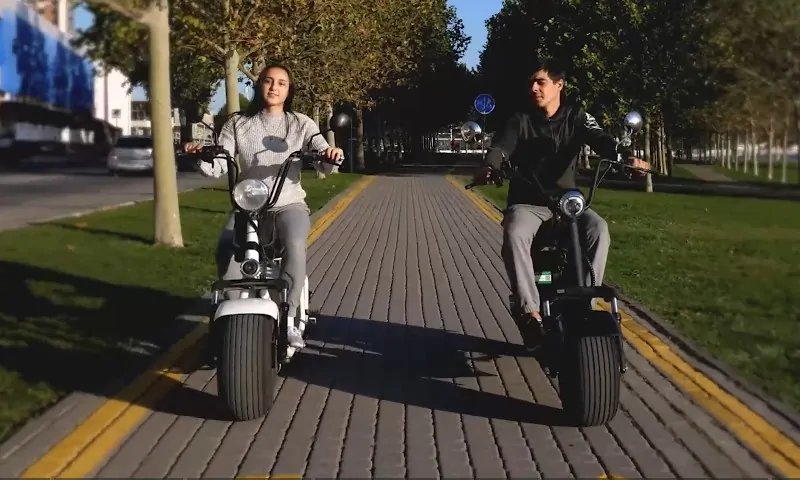
Class 3 e-bikes assist up to 28 mph, which creates larger speed gaps on shared paths. A rider traveling near that speed moves much faster than many traditional cyclists, walkers, runners, children, and recreational trail users.
Several safety concerns explain tighter limits:
- Higher assisted speed up to 28 mph
- Greater speed gaps between riders and pedestrians
- Limited passing space on narrow trails
- More sudden stops near crowded lakefront areas
- Higher conflict risk at merges, crossings, and turns.
Narrow or congested paths near Milwaukee’s lakefront and major trail corridors can increase the risk of conflict. Passing room may be limited, and sudden stops are more common in busy areas.
Restrictions aim to reduce conflicts on shared infrastructure while still allowing Class 3 riders to use roads, bike lanes, shoulders, and commuting-oriented routes.
Class 3 e-bikes are useful for faster commuting, but higher assisted speeds often bring tighter regulations. Rules can vary by state, city, park agency, and trail authority, especially for shared paths, recreational trails, helmet use, age limits, and signage.
What Riders Need to Know
View this post on Instagram
Class 3 riders should first check their bike label. A properly labeled bike should show its class or maximum assisted speed.
Before planning a ride, Class 3 riders should check key details:
- Bike label and maximum assisted speed
- Pedal-assist setup
- Throttle status
- Route type
- Posted signs
- Local trail rules.
Riders should also confirm that the bike is pedal-assist only. Throttles are generally tied to Class 2 bikes rather than Class 3 bikes.
Route type matters. Roads, on-street bike lanes, shared-use paths, sidewalks, park trails, and natural-surface trails can all carry different rules.
Posted signs and local trail rules should guide rider decisions. Class 3 riders should avoid restricted paths unless access is clearly allowed.
Wisconsin Class 3 riders are typically expected to be 16 or older. Class 1 and Class 2 e-bikes often have lower age limits.
Helmet rules can also differ by class:
- Class 3 riders are commonly required to wear helmets in Wisconsin summaries
- Class 1 and Class 2 riders generally face fewer helmet requirements
- Local rules may add stricter requirements on certain paths or trails.
Properly classified Wisconsin e-bikes generally do not require a driver’s license, registration, license plates, or mandatory auto liability insurance.
Modified bikes that exceed class limits may be treated as mopeds or motorcycles.
Riders involved in a serious crash may also need legal guidance, especially when injuries, insurance claims, or questions of fault are involved. Milwaukee accident firms such as Gruber Law Offices handle car accident cases and related injury claims.
Lights, reflectors, predictable riding, and compliance with local bicycle rules help reduce risk.
Safer riding is especially important on routes with mixed traffic and heavy pedestrian use.
Summary
Milwaukee’s restrictions do not ban Class 3 e-bikes outright. New limits narrow where they can be used.
Class 3 e-bikes are best viewed as faster commuter vehicles suited mainly for streets, road shoulders, and on-street bike lanes. Not every recreational trail or shared-use path is open to them.
Milwaukee riders should treat Class 3 access as location-specific. Checking signs, local ordinances, park rules, and trail-agency policies before riding is the safest approach.