Great legs can help you climb, sprint, and grind through hard miles, but bad clothing choices can ruin a ride before the first climb even starts.
A kit that holds sweat, shifts on the saddle, rubs at the seams, or overheats your body can turn a strong ride into a miserable one.
Chafing, saddle soreness, sweat buildup, overheating, damaged bib shorts, worn gloves, stained socks, scuffed shoes, and clothing that wears out too fast often point to simple apparel mistakes.
Small care mistakes can also shorten the life of high-performance fabrics.
Washing kit like ordinary laundry, using heat, adding fabric softener, or letting sweat sit too long can reduce breathability, weaken elastic fibers, trap odor, and damage seams.
Avoiding a few common cycling clothing mistakes can make every ride more comfortable and help your favorite kit last longer.
1. Wearing Regular Gym Clothes Instead of Cycling-Specific Apparel
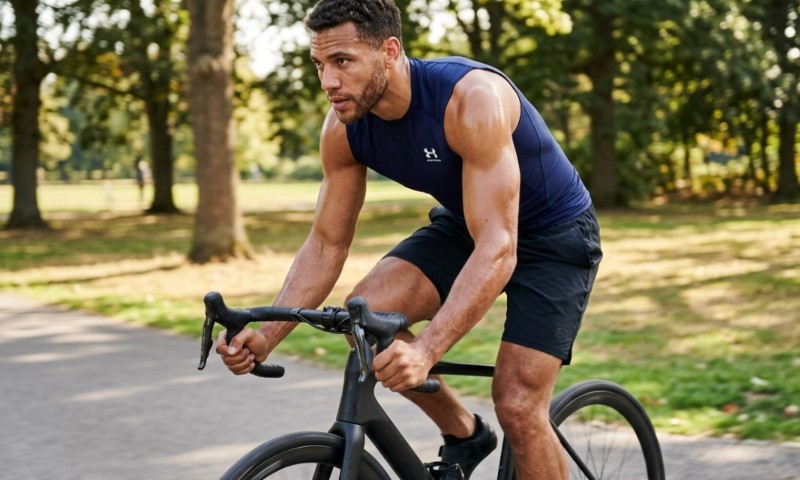
Riding in gym shorts, cotton T-shirts, casual leggings, or loose workout gear may feel acceptable on a short spin, but ordinary workout clothing is not built for hours in a cycling position.
A bike places pressure on the saddle, keeps the torso bent, repeats the same leg motion thousands of times, and traps heat in areas that need airflow.
Cotton and non-technical fabrics hold moisture against the skin. Sweat builds quickly, wet fabric starts rubbing, and loose material can bunch under the rider or flap in the wind.
Poor breathability makes the problem worse. Heavy or non-wicking fabric traps heat, making warm rides hotter and hard efforts feel harder.
Sweat that cannot move off the skin may lead to irritation, chafing, and a sticky feeling that lingers through the ride.
Better choices target moisture, fit, storage, and saddle comfort:
- Moisture-wicking cycling jersey instead of a cotton shirt
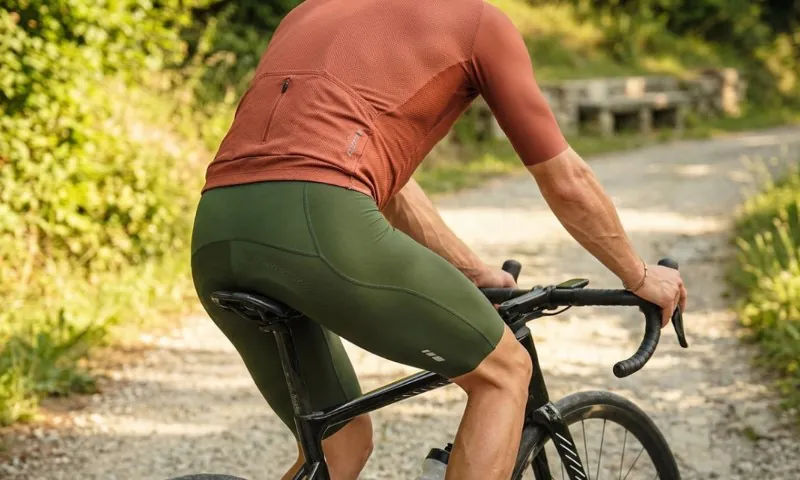
- Breathable bib shorts or cycling shorts with support in key pressure areas
- Technical base layer when sweat control matters
- Cycling-specific socks that sit smoothly inside shoes
- Lightweight warm-weather jersey with a full front zipper
- Rear pockets for food, tools, or a compact layer
Warm-weather rides call for lightweight jerseys made with breathable, moisture-wicking fabric.
For female riders, women’s cycling jerseys can offer a closer on-bike fit, rear storage pockets, and a full front zipper for easier temperature control during climbs or hard efforts.
Performance-focused cycling apparel reduces friction, manages temperature, and protects areas that carry pressure.
Wrong clothing can turn a good ride into a sweaty, uncomfortable, chafe-filled one fast.
2. Skipping Padded Shorts or Wearing Them Incorrectly
Long rides without padded shorts can punish the body fast. Saddle pressure builds mile after mile, and casual shorts do little to manage friction, seams, or vibration.
Stronger fitness does not remove the need for saddle protection.
Wearing underwear under bib shorts or padded cycling shorts creates another problem.
Extra fabric adds seams, bunching, and moisture traps in the area that needs the smoothest contact. Instead of adding comfort, underwear can increase rubbing and raise the risk of saddle sores.
Padded cycling gear works best when each layer has a clear purpose:
- Chamois sits directly against the body to manage friction
- Snug fit keeps padding centered while pedaling
- Breathable fabric helps control moisture during longer rides
- Chamois cream can reduce rubbing on hot rides or high-mileage weeks
- 5D gel padding in some padded cycling underwear can absorb road vibration
- Mesh panels can help keep riders cooler and drier
Casual shorts may work for a short neighborhood ride, but longer distances need proper saddle support. Without padding, riders can face pressure points, raw skin, soreness, and discomfort strong enough to end a ride early.
A chamois is not just extra cushioning. It is a friction-control layer between the rider and saddle.
3. Choosing the Wrong Fit: Too Loose, Too Tight, or Poorly Positioned
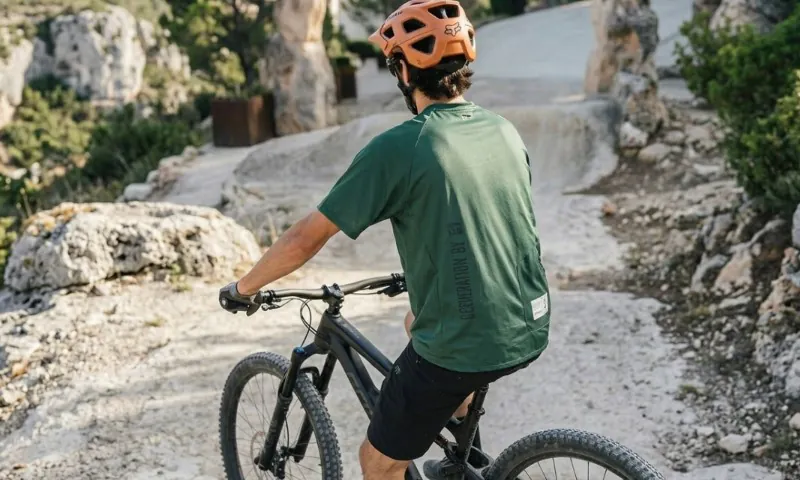
Fit can decide how a ride feels after the first hour.
A jersey that flaps creates drag and distraction. Bib shorts that sag or shift can move the chamois away bzona it needs to protect. Waistbands or leg grippers that dig in can pinch skin.
Gloves that bunch at the palm can increase handlebar pressure. Socks or shoe covers that rub can irritate the foot and ankle.
Loose clothing creates movement, and movement creates rubbing. Tight clothing can restrict breathing, limit circulation, or make the riding position feel cramped.
Poorly positioned bib shorts can also expose fabric to extra abrasion near the saddle and thighs.
Contact-point garments need extra attention because they sit against the bike during repeated movement:
- Bib shorts meet the saddle
- Gloves meet the handlebars
- Shoes meet the pedals
- Lycra in bib shorts gets pressed against the saddle while pedaling
- Glove wear often appears at the palm and between the thumb and index finger
- Road riders often wear gloves around the hoods, while mountain bike riders place heavier pressure on grips
Choose cycling apparel that fits snugly without restricting movement or breathing. Test kit position before a long ride.
Check that the chamois stays centered while pedaling. Make sure gloves sit smooth across the palm and between the thumb and index finger.
Fit is not only about comfort. Good fit controls where fabric rubs, stretches, compresses, and wears out.
4. Ignoring Weather and Temperature Conditions
Clothing that feels right at rollout can fail an hour later.
Cool morning air can turn into heat during a hard climb. Sun can give way to wind or rain. A warm climb can end with chills on a long descent.
Dressing too warmly in summer can cause overheating, heavy sweat buildup, and irritation.
Underdressing in cold or windy conditions can lead to chills, stiff muscles, and poor focus. Missing rain protection can leave wet fabric rubbing against skin.
Dark, heavy, or non-breathable clothing in hot weather can make a ride feel harder than it should.
Weather-ready kit should help control heat, sweat, and exposure during changing ride conditions:
- Breathable jersey for hot rides
- Moisture-wicking base layer for sweat control
- Arm warmers for cool starts
- Gilet for wind protection
- Lightweight jacket when rain or cold air may appear
- Full front zipper to release heat during climbs or hard efforts
- Rear pockets to carry small layers, food, or tools
Moisture-wicking, breathable apparel helps regulate temperature, reduce friction, and keep comfort stable as effort changes.
Weather mistakes often show up as clothing problems: too much sweat, too much friction, or too little protection when conditions shift.
5. Letting the Bike Destroy Your Clothing
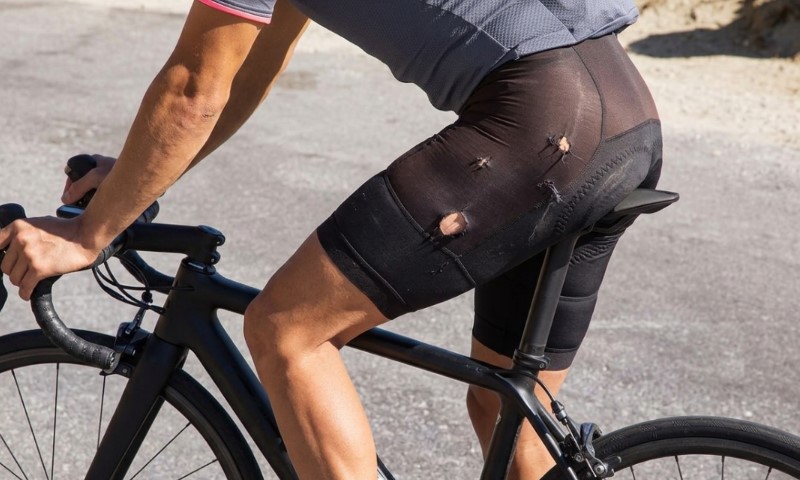
A clean, well-fitted kit can still wear out fast when the bike has rough contact points.
Cracked saddles, peeling upholstery, sharp edges, bulky decorative patterns, raised seams, worn bar tape, rough grips, dirty drivetrains, and poor cleat position can damage clothing ride after ride.
Saddle friction can damage bib shorts, causing light pilling in pressure zones or tearing in high-friction pedaling areas. Lycra gets pressed against the saddle during repeated movement, so even a small rough patch can turn into a fabric problem.
Replace a saddle when the upholstery cracks or peels, as sharp areas can catch bib-short fabric.
Tiny contact points matter because pedaling repeats again and again. At 90 RPM, riding 6 hours per week equals 32,400 revolutions.
A slight shoe rub can become a major scuff with that much repetition.
Cleat position, stance width, or riding posture may need adjustment, and a bike fitter can help when shoe rub continues.
Inspect the saddle for cracks, sharp edges, peeling upholstery, seams, ridges, or rough decorative patterns. Replace damaged bar tape or grips.
Check cleat position when shoes rub the crank. Keep drivetrain parts clean. Tuck laces clear of chainrings and pedals. Practice clipping in and out so socks do not hit greasy or sharp bike parts.
A bike can quietly damage clothing at every major contact point, including the saddle, bars, pedals, cranks, chainrings, cables, and drivetrain.
6. Washing Cycling Clothing the Wrong Way
Technical cycling fabrics need better care than ordinary laundry.
Fabric softener, harsh detergent, hot water, tumble drying, excess detergent, aggressive wash cycles, and delayed washing can shorten garment life and reduce performance.
Fabric softeners and some ordinary detergents can leave residue on moisture-wicking fibers.
Residue can reduce breathability, trap smells, and make fabrics less effective on future rides. Harsh detergents can also wear down delicate fibers faster than necessary.
Heat causes major damage. Hot water can stress technical fabrics, and dryer heat can shrink fabric, weaken stitches, and damage elastic fibers.
Tumble drying is one of the fastest ways to damage high-quality cycling gear. Elastane can degrade over time, making bib shorts, jerseys, and grippers less supportive and less snug.
Care mistakes that shorten kit life are usually easy to avoid:
- Skip fabric softener and bleach
- Use gentle or sports-specific detergent
- Wash at no more than 30°C or 86°F
- Turn garments inside out before washing
- Use gentle cycles or hand washing for delicate items
- Air dry away out of direct sun
- Wash sweaty kit as soon as possible after riding
Extra detergent does not make cycling clothes cleaner. It can create buildup that stiffens fabric, traps odor, and makes garments less comfortable against the skin.
Sweat and bacteria collect inside clothing during activity, so inside-out washing helps clean the areas that need it most.
Technical cycling fabrics need technical care. Treating them like ordinary laundry shortens their life and reduces their performance.
Closing Thoughts
Most cycling clothing mistakes are easy to avoid once you know where they start.
A purpose-built kit can help prevent sweat buildup, chafing, saddle soreness, overheating, and discomfort.
A good fit protects contact points and keeps fabric in the correct position.
When your kit fits well, breathes properly, protects contact points, avoids unnecessary bike friction, and gets proper care, riding feels better.