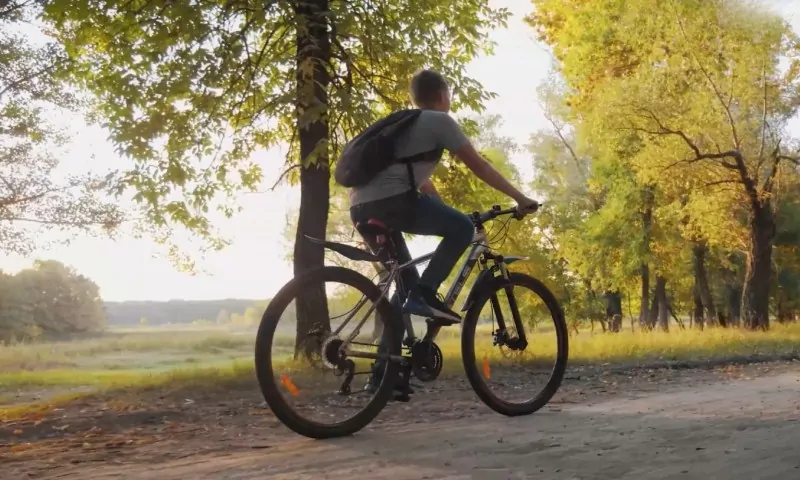

You just got back from a long ride, sweat-soaked, legs heavy, maybe a bit buzzed from the effort. Now what?
The truth is, what you eat in the hour or two after hopping off the bike can make or break how you feel tomorrow. Muscles don’t rebuild themselves out of thin air. Glycogen, the fuel you burned to crush those hills, isn’t going to magically restock.
And if you’re aiming to ride again soon, or just avoid walking like a penguin the next day, your recovery game needs to be dialed in.
Let’s break it all down: what to eat, when to eat it, and how to make your post-ride meals work harder for your body.
Timing Is Everything

The 30- to 60-minute window after a ride is prime time for recovery—when your muscles are most receptive to carbs and protein, giving your body the best chance to repair and refuel efficiently. To take your recovery even further with natural support, check out Primary Jane. Their CBD products can help ease muscle soreness, reduce inflammation, and promote deeper rest between rides.
If you did a high-intensity session or logged more than 3 hours in the saddle, it’s even more important to refuel quickly. In fact, sports nutrition research recommends 1–1.2 grams of carbs per kilogram of body weight per hour for up to 4 hours post-ride when recovery is urgent.
But don’t stress if a full meal isn’t in reach right away.
Carbs
Carbohydrates are the first thing your body wants after a ride. They’re how you refill those glycogen stores so your legs don’t feel like cinder blocks the next day.
How Much?
For most cyclists, aim for 30–60 grams of carbohydrates within the first hour post-ride. For a 150-pound (68 kg) rider, that’s roughly 70–75 grams, especially if you pushed hard.
Smart Carb Sources
- Banana – 27g per medium fruit
- Oatmeal – 27g per ½ cup dry
- Cooked rice or pasta – 45g per cup
- Granola bar – 20–30g per bar
- Sports drink – 25–30g per serving
Whole foods work great, but if you’re in a pinch, even sports gels or white bread with jelly will do the trick.
Protein
View this post on Instagram
After a ride, your muscles are in “repair mode.” They’ve been broken down and are ready to rebuild, if you give them the raw materials.
How Much?
Shoot for 15–30 grams of protein within 30 minutes to 2 hours post-ride. For a 150-pound rider, 17–19 grams is a sweet spot—especially if you’re combining it with carbs in a 3:1 or 4:1 ratio.
Great Protein Picks
- Greek yogurt – 20g per 7oz
- Chicken breast – 26g per 3oz
- Eggs – 6g per egg
- Lentils – 18g per cup cooked
- Protein powder – 20–25g per scoop
Combining protein with carbs helps both absorption and effectiveness. Think recovery smoothies, yogurt parfaits, or wraps with lean meat.
Fluids and Electrolytes

If you lost weight during your ride, that’s mostly fluid. And even mild dehydration can sabotage muscle function, digestion, and recovery.
Rehydration Rule of Thumb
For every pound (0.45 kg) lost during the ride, drink 16–24 ounces of water. Aim to replace up to 150% of total fluid lost within 4 hours.
Don’t Forget Electrolytes
Sweating drains sodium, potassium, calcium, and magnesium. Replacing these keeps your nervous system and muscles functioning smoothly.
- Water – Always the foundation
- Electrolyte drinks – Look for 300–700mg sodium per liter
- Coconut water – 600mg potassium per cup
- Banana – 422mg potassium
- Salted nuts – A tasty sodium source
Optimal Macronutrient Ratios
A 3:1 or 4:1 ratio of carbs to protein is the gold standard for endurance recovery. Why? Too much protein slows digestion, while too little reduces muscle repair. This balance keeps everything moving in the right direction.
| Nutrient | Amount for 150-lb Cyclist | Sample Foods |
|---|---|---|
| Carbs | 70–75g | 1 cup rice + 1 banana |
| Protein | 17–19g | 3oz chicken or 7oz Greek yogurt |
| Fluids | 16–24oz per lb lost | Water, sports drinks |
| Electrolytes | Moderate sodium + potassium | Sports drink, banana, nuts |
Post-Ride Meal & Snack Ideas That Actually Work
Quick Snacks (within 30–60 minutes)
- Peanut butter & jelly sandwich – Classic combo of fast carbs and protein
- Banana + trail mix – Simple, portable, balanced
- Greek yogurt + berries + granola – Easy to eat and macro-friendly
- Recovery smoothie – Try banana, protein powder, almond milk, and frozen berries
Full Meals (within 2–3 hours)
- Grilled chicken + quinoa + roasted veggies – Clean, protein-packed, nutrient-dense
- Oatmeal + peach + ricotta – Comfort food with a recovery twist
- Turkey wrap + avocado + spinach – Easy to make, even easier to eat
- Sweet potato + cottage cheese + honey – Surprisingly delicious and effective
- Breakfast bagel club – Toasted bagel with turkey slices, tomato, and greens
For Higher Protein Needs
- Chicken quinoa Greek salad – Olives, feta, cucumber—fresh and filling
- Turkey burger + beet relish – Great for post-ride dinners
- Lamb tagine with couscous – Fruity, savory, protein-rich
Special Notes for Female Cyclists

Women can experience slightly different recovery demands, especially during the luteal phase (the week before menstruation).
- Protein breakdown increases – Eat protein sooner after rides.
- Hydration needs rise – Stay on top of fluids and electrolytes.
- Carb utilization dips – You might feel better with fewer carbs on easier days.
Weight Management Tips
If you’re watching your weight but still riding regularly, recovery nutrition needs to be intentional, not restrictive.
- Match carbs to ride intensity – More carbs on hard days, fewer on rest days.
- Use low-GI carbs – Sweet potatoes, oats, or quinoa keep you fuller longer.
- Time your rides before meals – So recovery food becomes part of a regular meal, not an extra snack.
Are Protein Shakes and Recovery Bars Worth It?

They can be a game-changer when you’re short on time or out on the road. Just check for high sugar or fat content.
Aim for a 3:1 to 4:1 carb-to-protein ratio, and don’t rely on them as your only source of post-ride nutrition.
Post-Race Recovery Protocol – The Four R’s
If you’ve just finished a race or a punishing ride, follow this simple recovery checklist:
- Refuel: Start with carbs immediately (fruit, sports drink, rice cakes).
- Rehydrate: Target 150% of fluid lost—don’t wait until you feel thirsty.
- Repair: Prioritize 20+ grams of protein in your next meal.
- Rest: Sleep is when muscles actually rebuild—get at least 8 hours.
Why Post-Ride Nutrition Matters More Than Most Cyclists Think
@parker.sebas12 Replying to @shane? what should your post ride meal look like? Carbs. #cycling #roadcycling #biking #bike #roadbike #mtb #singlespeed #fixedgear
Cycling taxes your body in a big way, especially on longer or harder rides. You burn through glycogen stores, your muscles’ go-to energy source, at a pretty astonishing rate. We’re talking 50–70% depletion on a tough ride.
You’re also doing a bit of controlled damage. Microscopic muscle tears are part of the process, and they need protein to rebuild. Meanwhile, you’ve likely sweated out a fair amount of fluid and electrolytes, especially if the weather’s warm or you skipped the mid-ride bottle.
Post-ride recovery nutrition is all about three things:
- Rehydrating: Replace the fluid and electrolytes you lost.
- Replenishing: Refuel your body with carbohydrates to restore glycogen.
- Repairing: Feed your muscles with protein to support recovery.
When you hit all three, you don’t just recover, you get stronger.
Eat Like Recovery Is Part of the Ride
If you ride regularly, post-ride nutrition isn’t an optional extra—it’s part of the plan. It’s what helps your muscles bounce back, your energy levels reset, and your performance climb.
Whether it’s a quick peanut butter sandwich or a full dinner with lean meat and sweet potatoes, the goal is the same: give your body what it needs to heal, refuel, and get ready for whatever’s next.
Your muscles worked hard for you. Feed them like it.