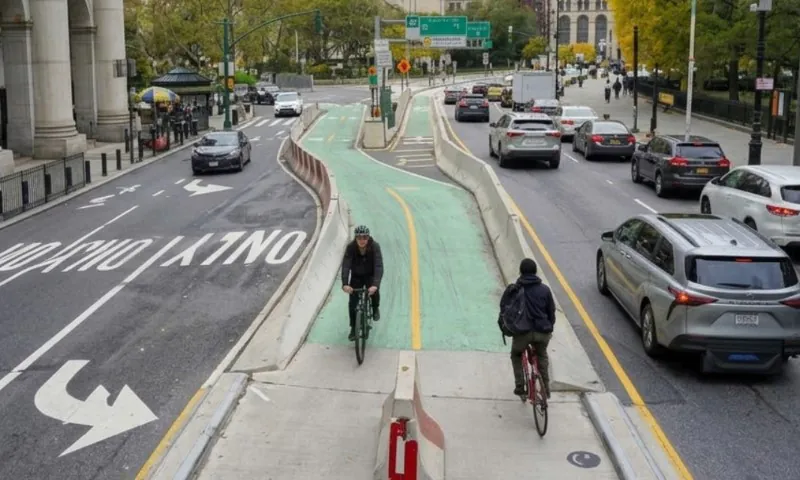
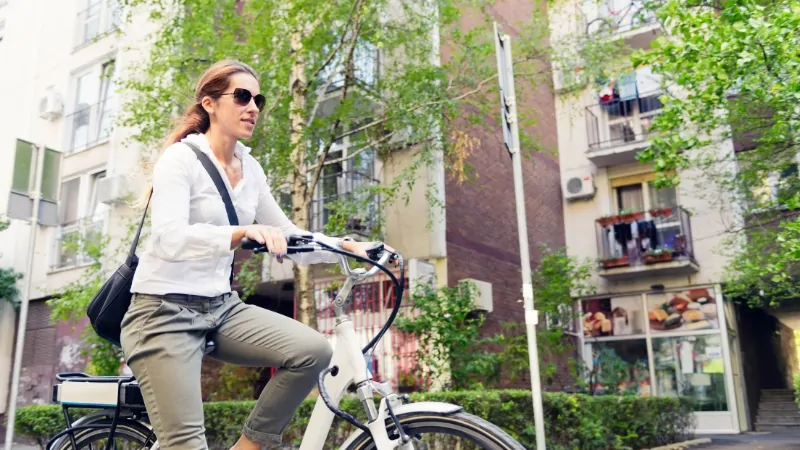
There’s a certain freedom in rolling past a line of cars on your way to work, wind in your face, legs pedaling—but not burning—because your e-bike is doing part of the work.
For a growing number of commuters, electric bikes aren’t just a trendy alternative to driving—they’re a smart, sustainable way to move through daily life.
It doesn’t matter if you’re tackling hilly city blocks, weaving through bike lanes, or carrying a week’s worth of groceries; the right e-bike can make it all feel smoother, lighter, even fun.
But the keyword here is right. Not all e-bikes are built the same, and if you’re shopping for one with commuting in mind, you’ve got some decisions to make—ranging from motor types to frame design to battery range. Let’s break it all down clearly and practically.
E-Bike Classes
First things first, not all e-bikes are created equal—legally or mechanically. In the U.S., e-bikes are divided into three classes, each with different speeds and rules about where you can ride them.
| Class | Description | Top Assisted Speed | Ideal for Commuting? |
| Class 1 | Pedal-assist only (no throttle) | 20 mph | Most versatile—allowed on most bike paths and trails |
| Class 2 | Pedal-assist + throttle | 20 mph | Good for stop-and-go traffic, but some paths restrict throttles |
| Class 3 | Pedal-assist only | 28 mph | Faster, but often banned from bike paths and multi-use trails |
For most urban commuters, Class 1 or Class 2 bikes are your best bet—they’re legal on the widest variety of paths and still plenty fast for city travel.
Why More People Are Commuting by E-Bike
E-bikes combine the best of both worlds: the freedom and simplicity of cycling with a motor-powered boost to help you go farther, faster, and with less effort. That’s part of why they’ve taken off.
Between February 2023 and February 2024, 11% of Americans rode an e-bike, according to Consumer Reports. And the reasons make a lot of sense:
- Quicker travel: No getting stuck behind traffic, and you can cruise at 20–28 mph without breaking a sweat.
- Lower costs: E-bikes drastically cut down on fuel, parking, and maintenance costs compared to cars.
- Eco benefits: They emit as little as 5–20 grams of CO₂ per kilometer, depending on the electricity source—on par with walking or cycling.
- Exercise without overexertion: Pedal-assist keeps you moving and healthy, while letting you choose how much effort to put in.
- Versatile: With add-ons like racks, fenders, and lights, an e-bike can be your morning ride, grocery hauler, and weekend cruiser all in one.
Key Features to Think About

Buying an e-bike isn’t as simple as picking a color and size. You need to match the specs with your daily routine, physical needs, and commute length.
Battery & Range
Arguably the most important factor. No one wants to pedal a 60-pound bike with a dead motor.
- Typical Range: Anywhere from 20 to 100 miles per charge.
- Battery Size: A 500Wh battery can get you about 20–40 miles on high assist. A 750Wh+ battery can push you past 100 miles on low settings.
- Charging: 3 to 5 hours for a full charge. Most batteries are removable for easier charging at work or home.
Motor Type
Your motor placement impacts how your bike feels and performs.
| Motor Type | Description | Best For |
| Mid-Drive | Located near pedals; adjusts power based on how hard you pedal | Hilly areas, heavy loads, more natural feel |
| Hub-Drive | Located in the wheel hub; simpler setup | Flat commutes, lighter loads, budget-friendly |
Higher-end bikes also come with torque sensors for a smoother, more intuitive ride. Budget models usually rely on cadence (motion) sensors, which can feel more like an on/off switch than a smooth ramp-up.
Frame Style & Fit
If you’ll be mounting the bike in a skirt, suit, or with a loaded backpack, frame design matters.
- Step-through frames make it easy to hop on and off, especially in city clothes.
- Step-over frames offer a bit more rigidity and are more traditional.
Must-Have Accessories for Daily Use
View this post on Instagram
The best commuter e-bikes come equipped with practical features that make your daily ride safer and more efficient.
- Lights: Integrated front and rear lights are a must for visibility—especially during darker commutes.
- Fenders: Keep you and your clothes dry in rain or puddles.
- Racks: Essential if you plan to carry a backpack, laptop, or groceries.
- Display Panel: A basic LCD showing speed, distance, and battery level helps you stay on track.
- Smart Features: Some bikes let you connect to your phone for navigation or fitness tracking.
If possible, buy a model with these features already built-in—it’s cheaper and cleaner than adding them yourself later.
Safety Considerations
E-bikes are a big investment, so you’ll want to protect both your ride and yourself.
- Helmet: Non-negotiable. Pick one with MIPS or similar safety tech.
- Visibility Gear: Reflective jackets, polycarbonate glasses, and rechargeable lights go a long way.
- Security Locks: Look for bikes with built-in wheel or battery locks. And always carry a U-lock or chain lock for frame security.
- Battery Safety: Make sure your battery is UL-certified. Only use the charger that comes with your bike, and never charge it overnight or unattended.
Commuter vs. Folding – Which Bike Type Makes Sense?
@qualisports_us The best and cheapest folding ebike#electricbike #qualisports #ebike #foryourpage ♬ original sound – Qualisports
There are lots of styles out there, but two types work best for commuting:
Commuter E-Bikes
Designed for daily urban use. Think upright posture, built-in lights, sturdy racks, and wide tires for comfort.
- Comfortable and practical
- Great for carrying loads or kids
- Usually come with full commuter features
- Heavier
- Not ideal for carrying up stairs or storing indoors
Folding E-Bikes
Perfect for city dwellers who combine public transit with riding, or those tight on storage space.
- Fold to fit in car trunks, elevators, or under desks
- Often allowed on trains and buses
- Smaller wheels = bumpier ride
- Tend to be more expensive per feature
Examples Worth Checking Out:
- Gazelle Bloom: Comfortable Dutch-style city bike with stepless gears, great for errands.
- Kalkhoff Image: Sleek, efficient, and purpose-built for commuting with a crank motor.
Cost & Where to Buy

- Price Range: $600 to $7,000. Most solid commuter bikes start around $1,500 to $2,500.
- Recent Price Increases: As of spring 2025, tariffs have driven prices up—Specialized added a 10% surcharge, and Giant announced a 7% increase starting May 1.
Where to Shop
- Local Bike Shops: Best for hands-on support, test rides, and proper assembly.
- Direct-to-Consumer Brands: Rad Power Bikes, Aventon, and Blix offer online models with minor assembly required.
- Avoid Big-Box Stores: Assembly can be unreliable, and after-sales support is usually lacking.
Try Before You Buy
Always test ride before you commit. A bike might look good on paper but feel awkward once you’re in motion.
Before heading out for a test ride, it’s smart to print free cards with a checklist of what to look for, battery response, frame fit, display readability, so you stay focused and make comparisons easier.
Shops like REI and many e-bike specialists let you try out models—or even rent them for a few days. Pay attention to:
Maintenance & Long-Term Care
E-bikes don’t need much more maintenance than regular bikes, but when they do, it matters.
- Tire checks and brake adjustments: Especially important with added motor weight.
- Battery care: Avoid letting it drain completely. Store indoors during winter.
- Battery replacement: Expect to replace it every 3–5 years. Costs range from $300 to $800 depending on capacity.
Bonus tip: Choose a model with a removable battery—it makes charging and replacement far easier.
Environmental & Health Impact
The rise in electric bike use presents a significant public health challenge due to the associated increase in injuries and fatalities.
Surgeons play a crucial role in advocating for changes to mitigate the risks and ensure safer e-bike use globally. ? https://t.co/LFRko6ZvKO
— American College of Surgeons (@AmCollSurgeons) July 28, 2024
If you’re looking to reduce your footprint without giving up convenience, e-bikes are one of the best tools out there.
- Energy Use: About 1kWh per 100 kilometers—compare that to 25kWh for electric cars or 10kWh for half-full trains.
- Emissions: 5–20g CO₂/km depending on grid source. For comparison, a gas car emits around 250g/km.
- Battery Recycling: Still a challenge, but improving. Look for brands with recycling programs or drop-off points.
From a health standpoint, e-bikes encourage daily activity. Some models even sync to heart-rate monitors for fitness tracking, turning your ride into a light workout without burning you out before work.
Final Thoughts
Choosing the right e-bike for commuting isn’t just about specs—it’s about how the bike fits into your life. Think about your daily route, where you’ll store it, how much you carry, and how much effort you want to put in.
Start by deciding on the right class (1 or 2 for most riders), then focus on battery range, motor type, and comfort. Don’t skimp on safety, and budget realistically—cheaper bikes may cost more in maintenance or lack long-term support.
Test ride as many as you can. Talk to real riders. Ask your local bike shop questions. With a little legwork upfront, you’ll end up with a bike that turns your commute into the best part of your day.