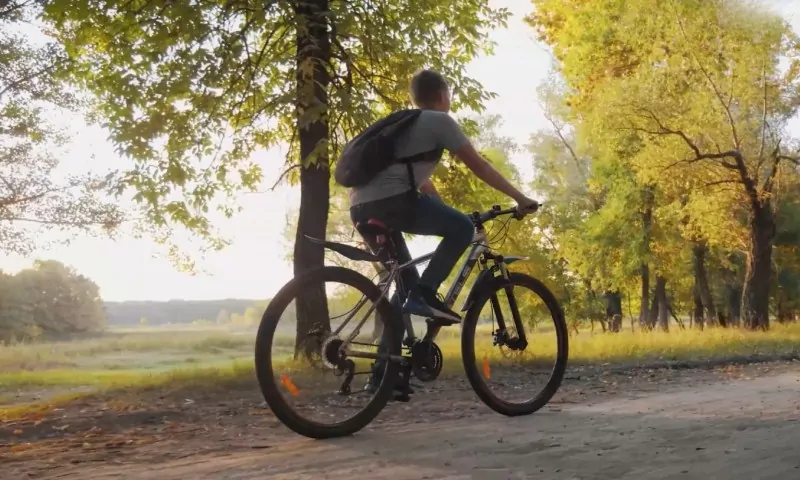
If you’re thinking about hopping on an electric bike in Pennsylvania or have already started riding one, you’re not alone. E-bikes have surged in popularity across the state, offering a clean, efficient, and enjoyable way to get around.
But before you fully embrace the thrill of zipping down the streets with the wind in your hair, there are a few rules you should know to keep yourself safe and avoid any legal headaches.
Pennsylvania has specific laws governing the use of e-bikes, and those regulations vary depending on the type of e-bike you’re riding.
Today, let’s break down what you need to know, from where you can ride to age restrictions, helmet rules, and everything in between.
Key Highlights
- E-bikes are classified into three classes based on their motor assistance and speed.
- No riders under 16 are allowed to operate an e-bike, no matter the class.
- Helmets are required for anyone under 18, but recommended for everyone.
- E-bikes can be ridden on roads, bike lanes, and some trails, but you’ll need to follow the same traffic laws as cyclists.
- E-bikes can’t exceed 750 watts of motor power, and motor assistance must cut off at 20 or 28 mph, depending on the bike class.
- No registration, insurance, or licensing is required for legal e-bikes.
- Highways and sidewalks are generally off-limits unless local rules say otherwise.
Classes
An e-bike, short for electric bike, is essentially a bicycle with a little extra muscle. Equipped with an electric motor that helps power your ride, e-bikes come in handy when climbing hills, battling headwinds, or just giving your legs a break. In Pennsylvania, there are three classes of e-bikes, and each class comes with its own set of rules:
- Class 1: The motor assists only while you’re pedaling and cuts off when you hit 20 mph.
- Class 2: You can use the motor to move without pedaling, but again, it cuts off at 20 mph.
- Class 3: Similar to Class 1, but the motor keeps helping you until you reach 28 mph.
Knowing which class of e-bike you own or plan to buy is essential since it determines where you can ride and what laws apply to you.
Where Can You Ride Your E-Bike in Pennsylvania?
One of the big questions for e-bike riders is, “Where can I actually ride this thing?” The good news is, for the most part, e-bikes follow the same rules as traditional bicycles. But let’s break it down a bit more:
Roads and Bike Lanes
Rode the work e-bike to the Downtown press conference today. Was the perfect ride in beautiful weather made easy by Pennsylvania’s protected bike lane ???♀️ pic.twitter.com/wZQXx9eXUq
— Kimberly (@KimVacca_DC) May 24, 2023
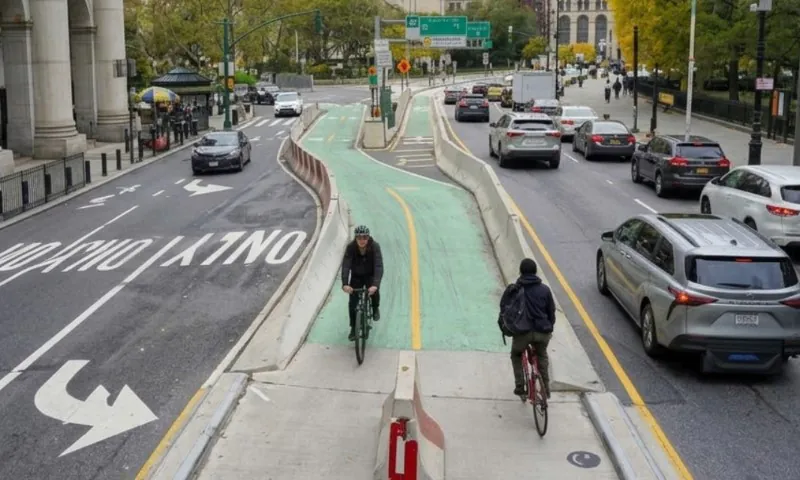
You’re in the clear to ride on roads and bike lanes alongside regular bikes. Just like cyclists, e-bike riders are expected to follow standard traffic laws.
That means stopping at red lights, yielding when necessary, and respecting speed limits.
State Parks and Forests
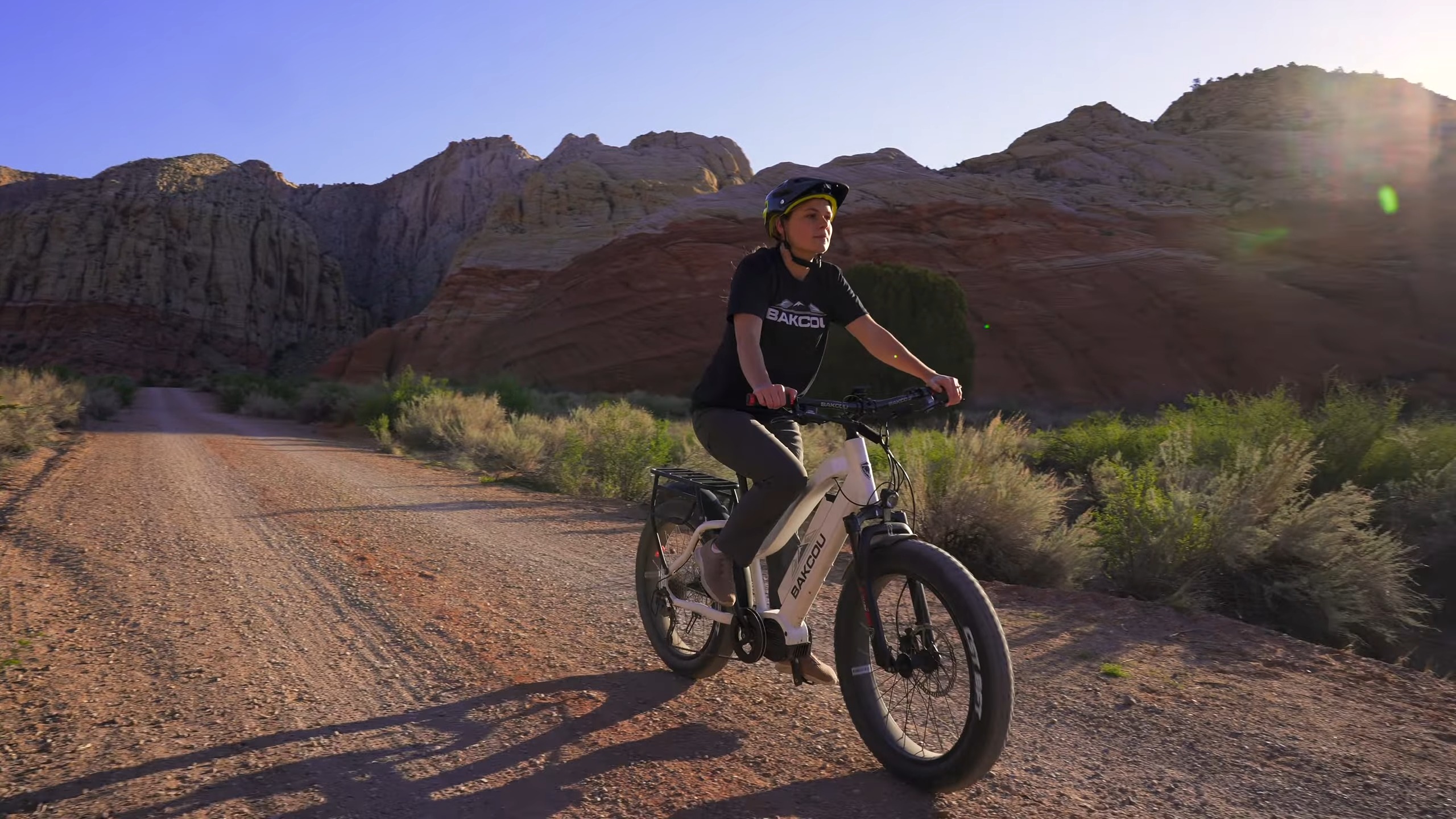
Things get a little more specific in state parks and forests. Pennsylvania’s Department of Conservation and Natural Resources (DCNR) allows e-bikes on designated motorized trails and public-use roads.
Some trails may have restrictions, especially for Class 2 and Class 3 e-bikes, so double-check the local signage before heading off-road.
Sidewalks and Pedestrian Areas
When it comes to sidewalks, most places in Pennsylvania don’t allow e-bikes. In fact, riding on sidewalks is generally prohibited unless a local ordinance says otherwise.
So, if you’re near a busy pedestrian area, it’s probably best to dismount and walk your bike.
Trails and Pathways
E-bikes can usually ride on multi-use trails, but it’s not always a free-for-all. Some trails may have specific rules against motorized vehicles, including e-bikes, particularly in nature preserves or crowded public areas.
Age and Helmet Requirements
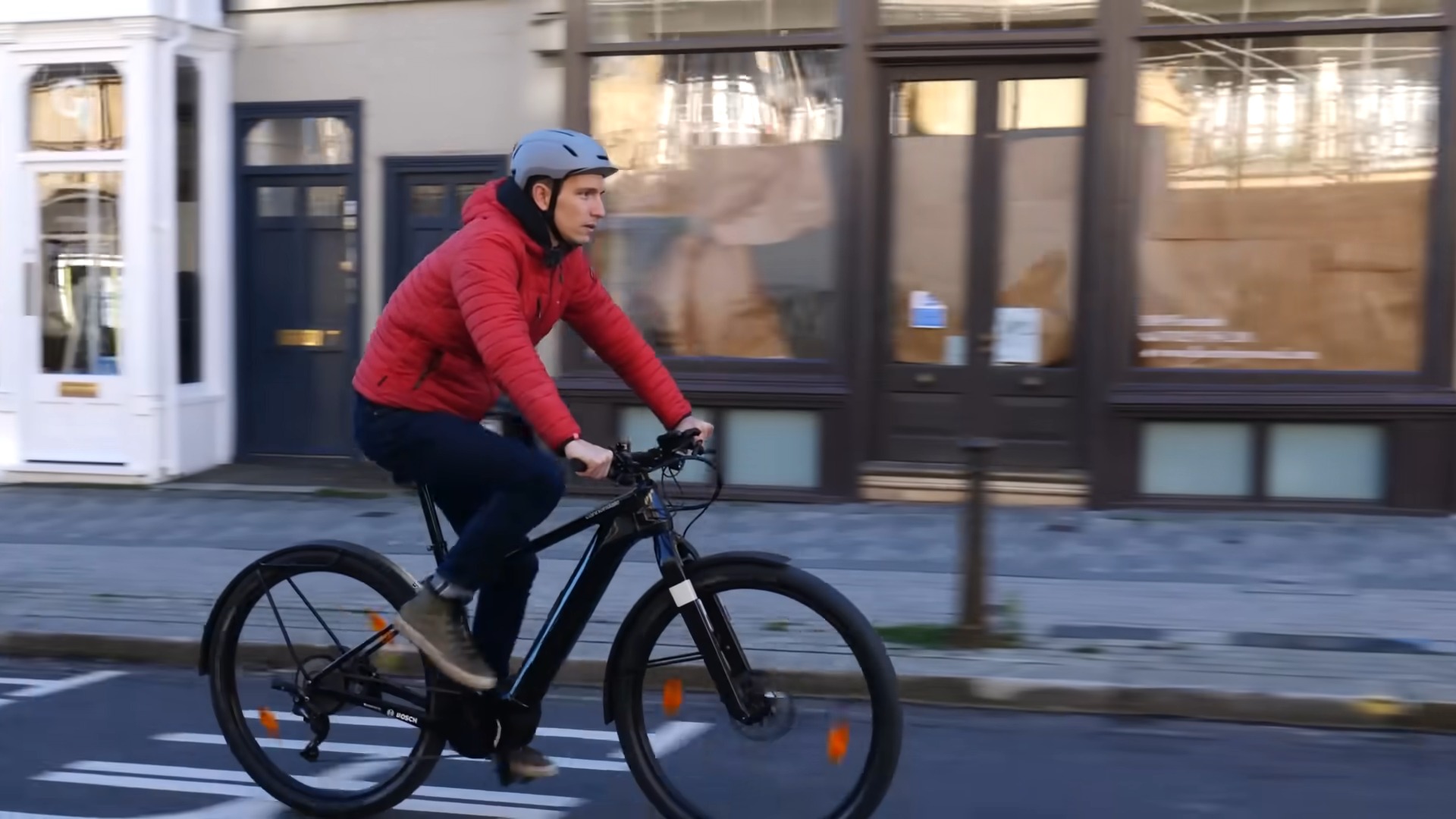
Pennsylvania is pretty clear when it comes to age restrictions for e-bike riders: if you’re under 16 years old, you’re not allowed to operate an e-bike. That’s true no matter what class you’re riding.
When it comes to helmets, the state has a few guidelines to keep you protected. Adults aren’t legally required to wear a helmet, but if you’re under 18, you need to strap one on. Even if you’re older, wearing a helmet is highly recommended, especially for riders on Class 3 e-bikes that can hit speeds of up to 28 mph.
Power and Speed Limits
Another important piece of the puzzle is the power of your e-bike’s motor. In Pennsylvania, e-bikes are limited to motors that don’t exceed 750 watts. Anything more powerful than that, and your e-bike might be classified as a motor vehicle, which opens a whole can of legal worms like registration and insurance.
Speaking of speed, Class 1 and Class 2 e-bikes must cut off motor assistance once you reach 20 mph, while Class 3 e-bikes allow you to go up to 28 mph before the motor stops helping. Stick to those limits, and you’ll avoid trouble with the law.
No Registration or Insurance Required—With a Catch
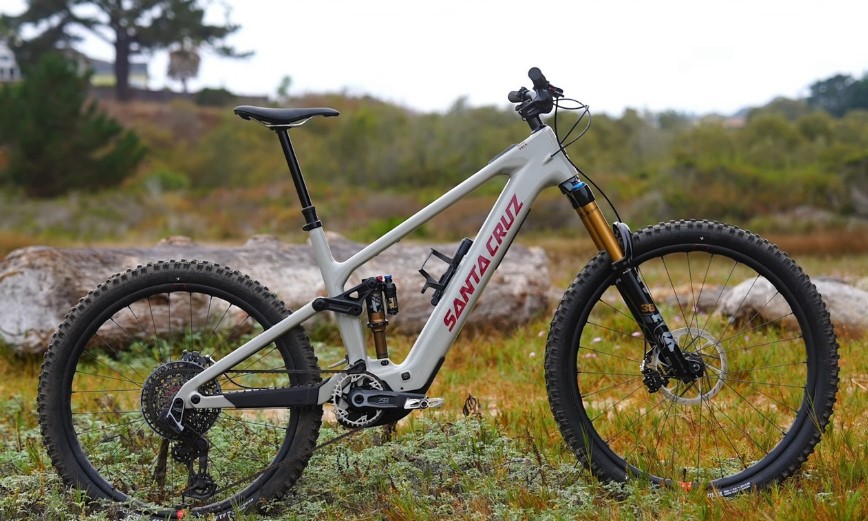
Here’s some good news: Pennsylvania doesn’t require e-bikes to be registered, insured, or licensed. So, you can skip those long lines at the DMV. However, this only applies to e-bikes that fit within the legal limits for motor power and speed.
If your e-bike exceeds 750 watts or goes faster than the speed limits mentioned earlier, you’ll be entering moped or motorcycle territory—and those definitely come with more requirements.
Where You Can’t Ride
There are a few places where e-bikes are straight-up off-limits. For example, you can’t take your e-bike on highways or interstates. Since e-bikes aren’t built for high-speed traffic, Pennsylvania law doesn’t allow them on roads where the speed limit is higher than 35 mph—unless there’s a bike lane.
Keep an eye out for any local rules in your city or town. Some areas might have stricter laws about where you can ride, similarly to Florida, especially in busy downtown districts where officials want to reduce congestion and keep pedestrians safe.
E-Bikes and Public Safety
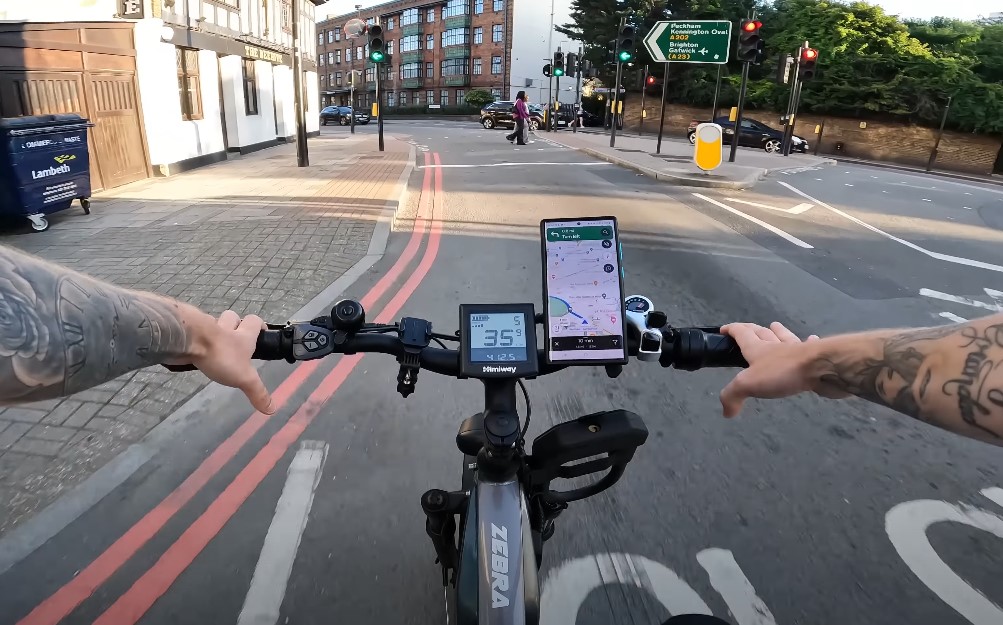
Sharing the road responsibly is a big deal for e-bike riders. Just because you’ve got a motor doesn’t mean you’re exempt from basic road etiquette. That means obeying traffic signals, yielding to pedestrians, and signaling your turns.
One thing to remember: e-bikes can move faster than traditional bikes, so stay aware of your surroundings, especially in busy areas. It’s easy to catch people off guard with your speed, so give plenty of space to pedestrians and slower cyclists. It’s all about keeping the ride smooth and safe for everyone.
Weather and Road Conditions
Weather can throw a wrench in your plans, especially when riding an e-bike. Wet or icy roads make handling tricky, and that’s especially true with the added speed and weight of an e-bike.
On slick surfaces, take it slow, avoid sharp turns, and remember that your brakes might not work as quickly as you’d expect.
Summary
Getting an e-bike can be a fantastic way to explore your town, commute, or just have fun. But with great power (or motorized assistance) comes responsibility.
By knowing the laws, following safety guidelines, and keeping an eye out for local regulations, you can enjoy all the benefits of e-bikes without any of the stress. Ride smart, stay safe, and enjoy the road!