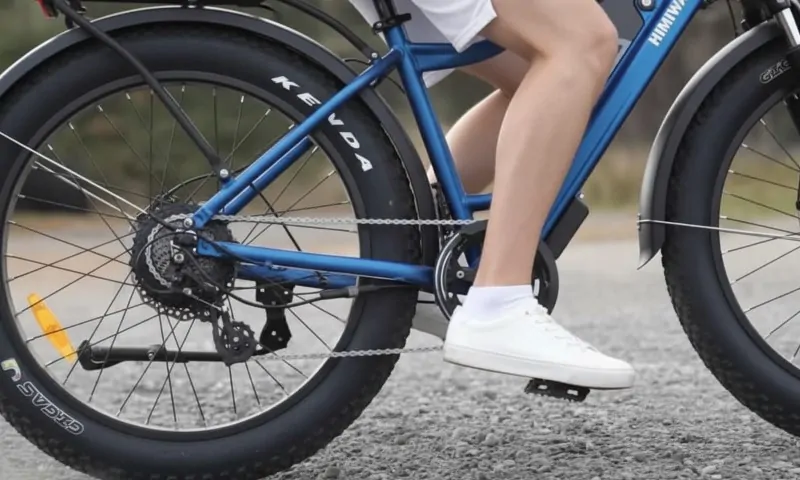
E-bikes feel simple on the surface. Charge the battery, hop on, enjoy the quiet push that flattens hills and shortens commutes. Under that smooth ride lives a group of parts that work harder than most riders realize.
Tires, brake pads, rotors, chains, cassettes, sealant, and a few smaller pieces handle higher speeds, heavier loads, and stronger torque than a standard bicycle ever sees.
Wear still happens the same way it always has. It simply happens sooner. Planning for it keeps performance sharp, keeps repair bills small, and keeps rides safe.
Today, we prepared a guide written for everyday riders who want straight talk, real numbers, and habits that actually work.
Why Wear Happens Faster On Ebikes
A few realities push ebike parts harder than standard bicycles.
- Higher average speed and more miles: Motor assist means longer rides, faster commutes, and more weekly mileage. Every extra mile adds more drivetrain revolutions and more brake heat cycles.
- More weight per stop: E-bikes carry a heavier frame, a battery, sometimes cargo racks, baskets, or panniers. Every braking event converts more mass into heat, which accelerates pad and rotor wear.
- Torque under load: Mid-drive motors apply power through the chain and cassette. Riders often shift while power is still flowing, which increases wear on chains and sprockets.
- Tire requirements: Some ebike classes require tires with specific certification. Speed pedelecs in the EU, for example, require ECE-R75-approved tires. Other classes use e25 or e50 marked casings designed to handle higher loads and speeds.
Parts still fail in the usual ways. They simply reach that point sooner.
Quick Wear Planning Table
Use the table as a planning tool. Actual replacement should always follow real measurements and symptoms.
Riders who keep spare tires, pads, and chains on hand will get better life out of those parts if they are stored in a dry, temperature-stable space rather than in hot sheds or outdoor bins. NSA Storage El Camino Rea offers a practical way to keep maintenance gear protected.
Tires
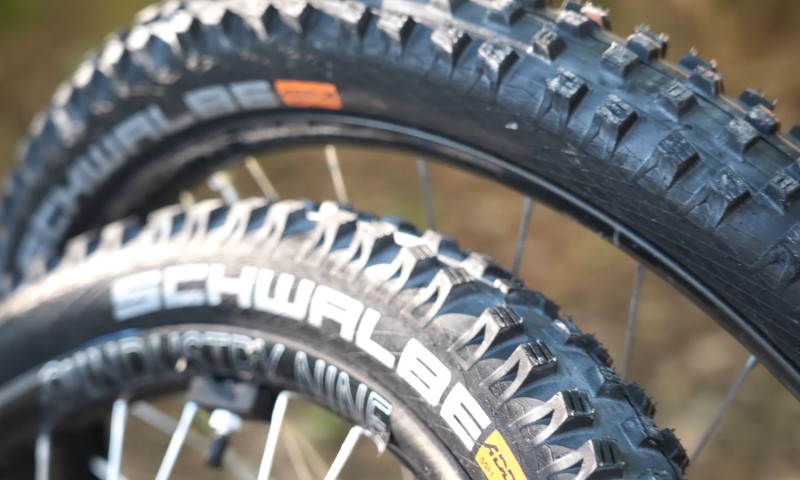
Tires absorb impacts, carry loads, and provide grip. On an ebike, tire choice leans toward durability, stability, and puncture protection rather than low rolling resistance alone.
Ebike Tire Ratings Explained
Two concepts appear often in reputable manufacturer guidance.
ECE-R75 Approval
Speed pedelecs in the EU require specialist tires carrying ECE-R75 authorization. That marking confirms the casing can tolerate higher sustained speeds and loads.
e25 and e50 Markings
Many brands mark tires intended for pedelecs as e25. Faster S-pedelec tires often carry e50 markings and ECE-R75 approval. Such tires usually include reinforced casings and stronger puncture layers.
For most commuter ebikes, the practical takeaway is simple. Choose tires built for ebike loads and speed classes rather than lightweight racing casings.
Pressure Management Saves Tires
Low pressure causes squirm, sidewall stress, and heat buildup. High pressure can reduce comfort and traction and may raise puncture risk in rough pavement.
A simple habit pays off: check pressure weekly and keep it within the sidewall’s printed range. Ebikes rack up miles quickly, so pressure drifts faster than many riders expect.
Signs That Matter
Replace tires when grip and casing integrity begin to fail, not when the tread merely looks tired.
Watch for:
- Squared-off profiles on rear commuter tires
- Repeated flats in the same tire
- Sidewall cracking from age or UV exposure
- Cuts that expose casing threads or keep reopening
On speed pedelecs, tire certification is a safety and compliance matter rather than a preference.
Tubeless Sealant And Valves
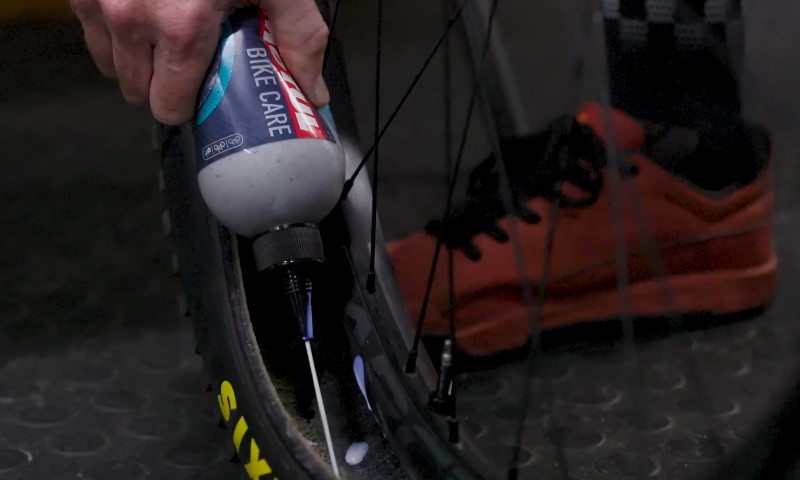
Tubeless systems suit ebikes well because small punctures happen often. Sealant can prevent roadside repairs, yet it needs regular attention.
Sealant longevity often falls between 2–6 months, depending on heat, humidity, casing thickness, and how many punctures have already been sealed. A reliable routine is to check or refresh the sealant every 3 months.
Practical routine:
- Refresh sealant on a seasonal or mileage schedule
- Replace valve cores if slow leaks continue
- Carry a plug kit for larger punctures
Sealant handles many holes, yet not every cut can be sealed.
Brakes
Heavier bikes and higher speeds mean braking systems work harder. Pads and rotors are consumables by design.
Brake Pads
Manufacturers publish clear wear limits.
- Shimano guidance for several systems specifies replacement at 5 mm pad thickness.
- SRAM specifies replacement when total pad plus backing thickness falls below 3 mm.
Measure pad material directly whenever possible. Wet weather, cargo hauling, and steep terrain shorten pad life quickly.
Brake Rotors
Shimano manuals specify a safety limit of 1.5 mm minimum thickness. Replace rotors that reach that point.
Immediate replacement triggers include:
- Cracks
- Warping
- Persistent pulsing that does not respond to truing
- Noise paired with visible glazing
Bedding And Contamination
View this post on Instagram
New pads and rotors require bedding to build proper transfer layers. Poor bedding often feels like weak braking and invites noise.
Practical habits:
- Keep sprays and lubricants away from rotors
- Clean rotors after contamination
- Bed pads properly after replacement
Brake Fluid Service
Hydraulic brakes keep functioning even as fluid quality degrades. Many service providers suggest fluid replacement every 2 years, and annually for riders who push brakes hard on long descents.
Symptoms that signal service:
- The lever feel becomes spongy
- Braking power fades under sustained use
- Heat fade appears on long hills
Chains
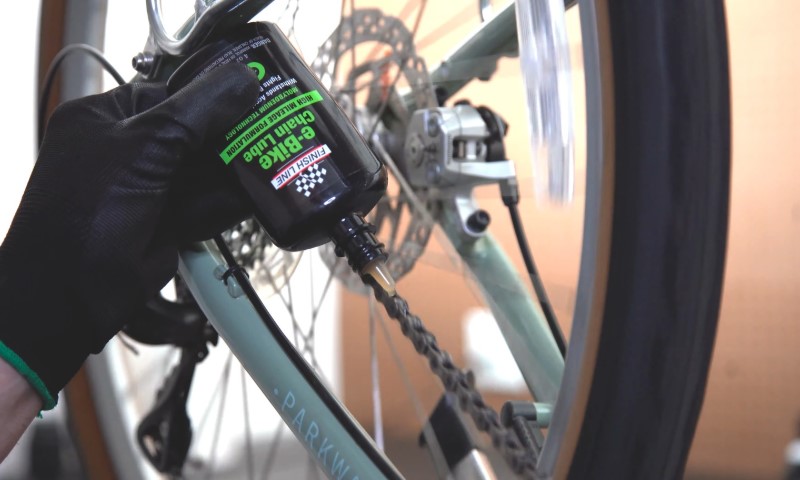
Chains protect expensive cassettes and chainrings when replaced on time. Delay chain replacement and the rest of the drivetrain pays the price.
Chain Wear Numbers
Chain wear is measured as elongation.
- Replace 11–12 speed chains at 0.5% elongation
- Replace 5–10 speed chains at 0.75% elongation
Some manufacturers publish brand-specific limits. Follow those if present.
Real-World Chain Life
Mileage varies widely. Typical chain lifespan often falls between 3,000 km and 5,000 km, with optimal dry riding sometimes reaching 6,000 km. Poor wet conditions and poor maintenance can shorten life to under 3,000 km.
Cleaning And Lubrication That Helps
A dirty chain acts like a grinding paste.
Useful habits:
- Clean more often during wet seasons
- Re-lube after washing the bike
- Wipe off excess oil after lubricating
Wet lubes suit humid and rainy conditions. Dry lubes suit dusty environments. Select a lubricant based on riding conditions rather than brand hype.
Cassettes And Chainrings
Cassettes and chainrings wear slowly at first. Once chains pass replacement thresholds, wear accelerates quickly.
Cassette Wear Signs
Replacement cues include:
- Teeth become sharp and pointed
- Skipping under load in favorite gears
- Clicking that does not resolve after cleaning
- New chain skips on the old cassette
A new chain skipping on worn teeth rarely resolves on its own. Cassette replacement usually becomes necessary.
Chainrings
Mid-drive ebikes often use 1x drivetrains and spend much of their time in a few gears, which concentrates wear. Sharp, pointed teeth and persistent skipping after installing a new chain signal chainring replacement.
Other Wear Parts That Sneak Up On Riders
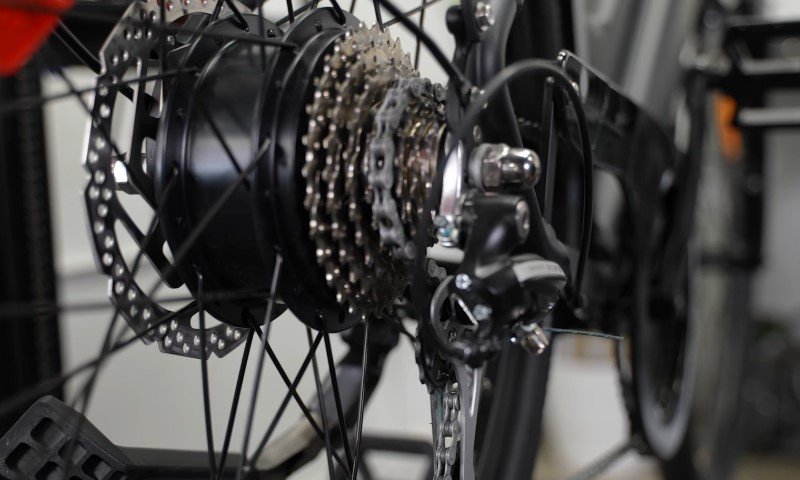
Several smaller parts can cause larger problems when ignored.
Cables And Housing
Mechanical brake and shift systems rely on smooth cables and housing. Replace frayed cables and sticky housing before failure.
Derailleur Pulleys
Worn pulleys introduce noise and sloppy shifting. Check for play and tooth wear during chain service.
Bearings
Headset, hub, and bottom bracket bearings suffer from grit and water intrusion more than mileage. Grinding, creaking, or persistent play often indicates bearing service needs.
Motor-Side Sprockets
Some mid-drive designs use replaceable front sprockets. Inspect and torque according to manufacturer guidance.
A Replacement Strategy That Saves Money
A simple system keeps repair bills low and ride quality high.
- Measure chain wear regularly and replace on time.
- Replace brake pads early and check rotor thickness.
- Choose tires rated for ebike speed and load classes.
- Maintain proper tire pressure.
- Refresh tubeless sealant on a set schedule.
Final Thoughts
Ebikes make riding easier and more accessible. Their wear parts quietly carry heavier loads and higher speeds. Paying attention to tires, brakes, chains, cassettes, and sealant keeps rides smooth, safe, and affordable.
A few regular checks, some simple measurements, and timely replacements turn ebike ownership into a predictable routine rather than a string of surprise repairs.