Red light cameras are automated enforcement tools that photograph vehicles entering intersections after the signal turns red. Systems operate without a police officer physically stopping a driver at the scene.
Images and short video clips document the position of the vehicle and the traffic signal phase at the time of the violation.
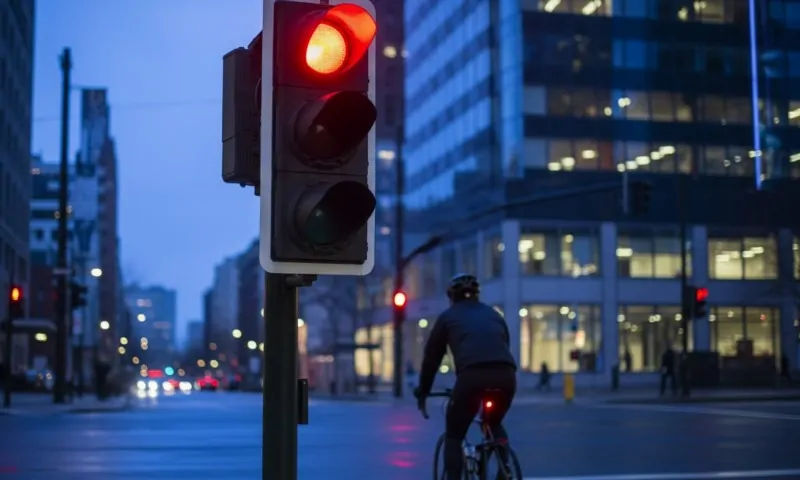
Public discussion often centers on cars and trucks, yet cyclists also must obey traffic control signals. Bicycles are treated as vehicles in many jurisdictions, which means riders can face citations or civil liability for running a red light.
Clear knowledge of how camera enforcement operates, where it applies, and how fault is assigned can help cyclists avoid:
- Collisions
- Fines
- Legal exposure
Let’s talk about red light camera tickets for cyclists as a whole and see what the most important details are.
What Red Light Cameras Are and How They Function
@trafficlightdoctor
Automated red light camera systems play a major role in traffic enforcement at signalized intersections.
Designed to document violations without a traffic stop, these systems rely on imaging equipment and detection technology to capture clear, time-stamped evidence of vehicles entering after a signal turns red.
Red light cameras detect and record when a vehicle or other road user crosses the marked stop line after the signal phase changes to red.
Photographs and short video clips typically show the illuminated red signal and the vehicle’s position within the intersection.
Images often include date, time, and elapsed time since the signal turned red.
Evidence collected at the scene is transmitted to law enforcement or a contracted review center.
Trained personnel examine the images and confirm that a violation occurred before a citation is approved and mailed. Automated systems do not issue tickets without human review.
How They Work Technically
Equipment installed at camera-enforced intersections generally includes cameras mounted on poles or traffic signal structures and detection devices embedded in the roadway or integrated with signal timing systems.
Detection activates only after the light turns red.
Common technical components include:
- Inductive loop sensors embedded in the pavement that detect a vehicle crossing the stop line after the red phase begins
- Radar or video detection systems that identify motion within a defined enforcement zone
- High resolution digital cameras capable of capturing still images and short video clips in various lighting conditions
Once sensors confirm a vehicle entered on red, cameras record a sequence of images. Typical documentation may include:
- An image showing the vehicle behind the stop line before entry
- An image showing the vehicle inside the intersection after the red signal is active
- A close up image of the license plate for identification purposes
Purpose
Primary goal of red light camera enforcement is increased compliance with traffic signal laws. Intersection crashes caused by red light running often involve high-speed side impact collisions.
Right-angle or T-bone crashes frequently result in severe injuries or fatalities due to limited protection at vehicle sides.
Automated enforcement seeks to deter violations and improve safety outcomes. Safety benefits focus on:
- Reducing red light running incidents
- Lowering the frequency of severe intersection crashes
- Protecting drivers, cyclists, and pedestrians crossing legally
Visible camera enforcement can also influence driver behavior even at intersections without cameras, since motorists may anticipate similar monitoring elsewhere.
Cyclists and Liability When Running a Red Light
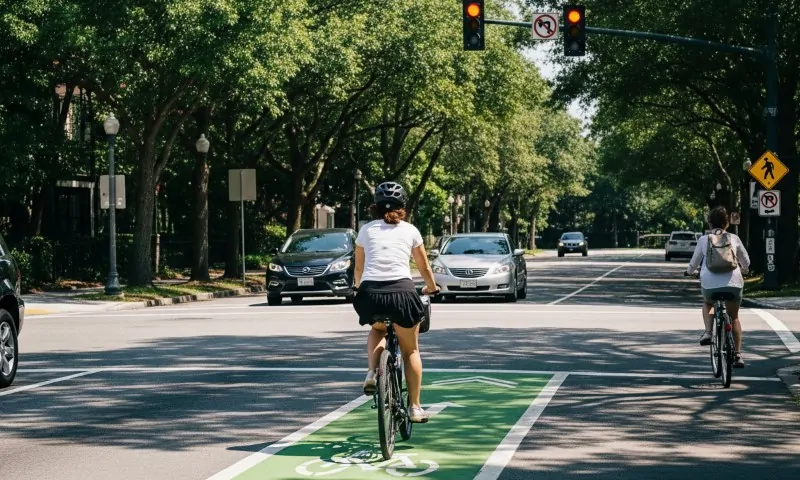
Traffic signal compliance is not only a matter of avoiding a fine. Civil liability may arise if a violation contributes to a crash.
Cyclist Requirements Under Law
Traffic laws generally require cyclists to comply with the same signal rules that apply to drivers.
Red light violations by cyclists can result in citations, fines, and potential civil claims. Running a red light constitutes a breach of statutory duty in many jurisdictions.
Liability in Crashes
When a collision occurs at an intersection, courts and insurers analyze conduct leading up to the impact.
Negligence Per Se
In states such as New York, running a red light is treated as negligence per se. Violation of a traffic statute can establish breach of duty in a personal injury case without additional proof of reckless conduct.
If a cyclist runs a red light and a crash follows, that statutory violation can strongly influence fault determinations.
Evidence for Fault
Liability analysis relies on objective and testimonial evidence.
Common sources include:
- Police crash reports
- Traffic camera photographs and video
- Signal timing records
- Eyewitness statements
Shared Responsibility
Fault is not always assigned to one party alone. Comparative fault principles in many states allow allocation of responsibility among multiple parties.
Even if a cyclist entered on red, liability can be shared if a driver was speeding, distracted, or failed to yield.
Recovery in a civil claim may be reduced in proportion to each party’s share of fault.
Court and Insurance Use of Camera Evidence
Traffic camera images and recorded signal phases provide objective documentation of intersection events.
Courts rely on such evidence when assessing negligence and causation. Insurance companies use camera footage to evaluate claims, especially in red light crashes involving serious injuries.
Clear visual proof of signal status at the moment of entry can significantly influence settlement negotiations and trial outcomes.
Where Red Light Camera Tickets Apply
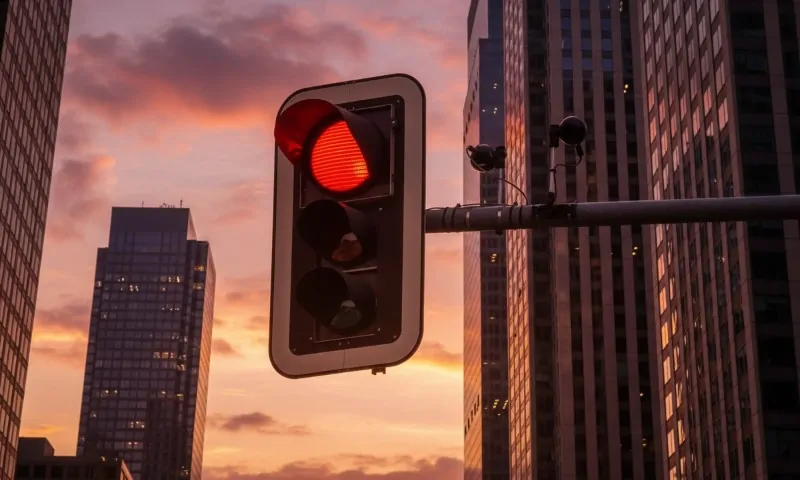
Enforcement authority and implementation vary across the United States.
State statutes, local ordinances, and court decisions shape how and where cameras operate.
Geographic and Jurisdictional Variations
Some states expressly authorize red light cameras through legislation that sets out operational rules, notice requirements, and maximum penalties.
Other states impose restrictions or lack clear statutory guidance, leaving decisions to local governments.
As a result, enforcement practices differ significantly across the country.
Key areas of variation include:
- Maximum fine amounts permitted under state law
- Procedures for contesting a citation
- Rules governing notice to the vehicle owner\
- Limits on contract arrangements with private vendors
Cities typically install cameras at intersections with a documented history of violations or serious crashes.
Traffic engineers review collision data, signal timing, and traffic volume before recommending installation.
Are Cyclists Included
The application of red light laws to cyclists depends on how state traffic codes define bicycles.
Cyclists Are Legally Vehicles
In jurisdictions such as New York, bicycles are legally defined as vehicles. Riders have the same rights and duties as drivers of motor vehicles, including the obligation to obey traffic control signals.
Entering an intersection against a red light constitutes a traffic violation.
Legal classification means that a cyclist who runs a red light may be subject to enforcement and can face civil liability if a crash occurs.
Local Enforcement Practice Affects Application
Practical enforcement against cyclists can differ by city. Automated systems are generally designed to identify motor vehicles through license plates, and bicycles are not commonly registered.
In some municipalities, enforcement against cyclists relies more heavily on officer observation.
Debate has arisen in places such as New York regarding specific rules that allow cyclists to proceed with pedestrian walk signals under defined conditions.
Disputes have centered on how those rules interact with automated enforcement and officer-issued citations.
Local ordinances and enforcement policies ultimately shape how camera laws apply to riders.
How Red Light Camera Tickets Work
Automated enforcement follows a structured process intended to ensure accuracy and due process.
Issuance of Tickets
After a camera captures images or video of a suspected violation, trained reviewers assess the evidence. Review typically confirms that:
- Signal was red at the time the vehicle crossed the stop line
- Vehicle entered the intersection after the red phase began
- License plate and identifying details are clearly visible
If reviewers confirm a violation, a citation is generated and mailed to the vehicle’s registered owner.
Documentation usually includes photographs, a description of the violation, location information, and instructions for payment or contesting the ticket.
Who Receives the Ticket
For motor vehicles, citations are mailed to the registered owner listed in state vehicle records.
Owner liability laws in many jurisdictions make the registered owner responsible for the penalty, even if another person was driving.
Bicycles are not commonly registered in most states. Automated enforcement of cyclists is therefore limited in many areas.
Enforcement against riders often depends on direct observation by a police officer or specific local provisions addressing non registered vehicles.
Consequences
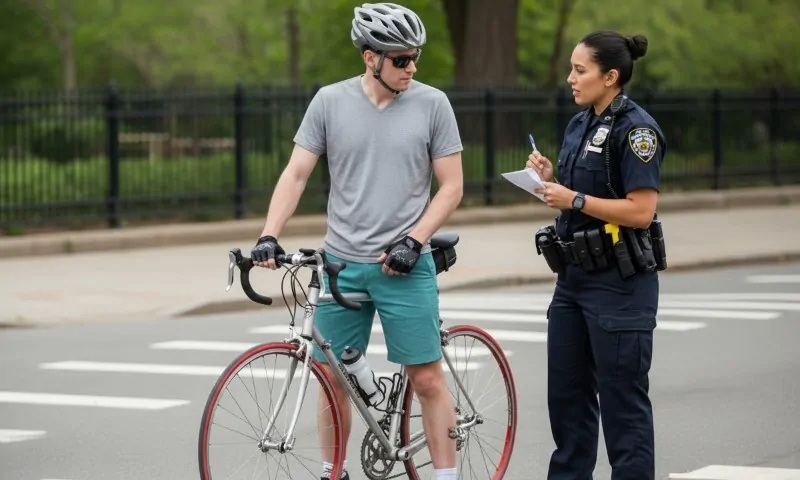
Traffic camera citations are often treated as civil violations rather than criminal offenses. In many jurisdictions, such tickets do not add points to a driver’s license and may not directly affect insurance rates.
Failure to address a citation can trigger additional consequences, including:
- Late fees and collection costs
- Referral to collections agencies
- Registration holds for motor vehicles
Financial exposure can increase substantially if the original fine remains unpaid.
Ticket Fine Amounts
In 2026, automated red light tickets commonly range between about $50 and $150.
Some jurisdictions authorize higher penalties, particularly in areas with strict traffic enforcement policies or repeat violation provisions.
Amounts are typically set by state statute or municipal ordinance.
The Bottom Line
Red light cameras document and enforce signal violations at intersections across many jurisdictions.
Cyclists, treated as lawful vehicles in many states, must obey traffic signals and can face fines or liability for running red lights.
Camera footage often plays a decisive role in crash investigations and insurance claims.
Automated enforcement has been associated with measurable safety gains, including a 21 percent reduction in fatal red light running crashes in large cities.