Federal speedometer requirements often create confusion for electric bicycle owners and manufacturers. Questions arise about speed monitoring equipment and its legal status under United States law.
A clear explanation of federal rules helps clarify if electric bicycles must include a speedometer as standard equipment.
Electric bicycle adoption continues to rise across the United States and worldwide.
Growth in ridership has prompted lawmakers to refine equipment rules, operating limits, and classification standards.
That is why we feel it is so important to discuss this in greater detail.
What Is an E Bike Under United States Federal Law

United States federal law, enforced by the Consumer Product Safety Commission, defines an electric bicycle as a low-speed electric bicycle if it meets specific criteria. A bicycle must include fully operable pedals.
Motor output must be less than 750 watts. Maximum motor only speed must not exceed 20 miles per hour on a paved level surface.
Electric bicycles that meet these standards are treated as consumer products rather than motor vehicles.
What Federal Law Does Not Require
Federal regulations concentrate on maximum motor power and assisted speed limits. Equipment mandates focus on consumer product safety standards rather than motor vehicle instrumentation.
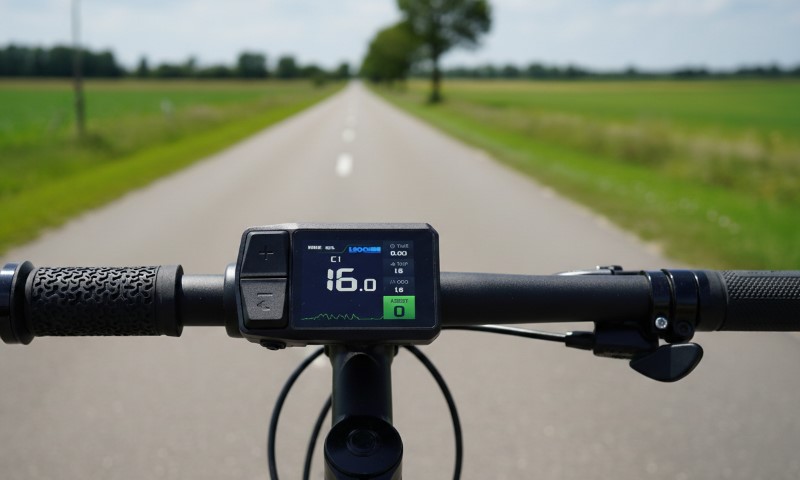
No federal rule requires installation of an onboard speedometer on compliant low-speed electric bicycles. Federal law establishes performance caps but does not mandate a display that shows current speed to the rider.
E Bike Classifications and Speed Limits
Many states follow a three-class system to categorize electric bicycles.
- Class 1 electric bicycles provide pedal assist only. Motor assistance cuts off at 20 miles per hour.
- Class 2 electric bicycles may include a throttle or pedal assist. Assistance also stops at 20 miles per hour.
- Class 3 electric bicycles provide pedal assist and cut off motor assistance at 28 miles per hour.
Purpose Behind Class Distinctions
Class distinctions create consistency across states for equipment requirements, operating rules, and access to bike paths or roadways. Lawmakers use class labels to apply helmet requirements, age minimums, and route restrictions.
Higher assisted speeds often trigger additional equipment or safety related requirements at the state level. Class labeling allows regulators to tailor rules to speed capabilities.
Speed Limits by Class are:
- Class 1 electric bicycles provide pedal assist up to 20 miles per hour
- Class 2 electric bicycles provide throttle or pedal assist up to 20 miles per hour
- Class 3 electric bicycles provide pedal assist up to 28 miles per hour
Safety, Speed Limits, and Regulatory Rationale
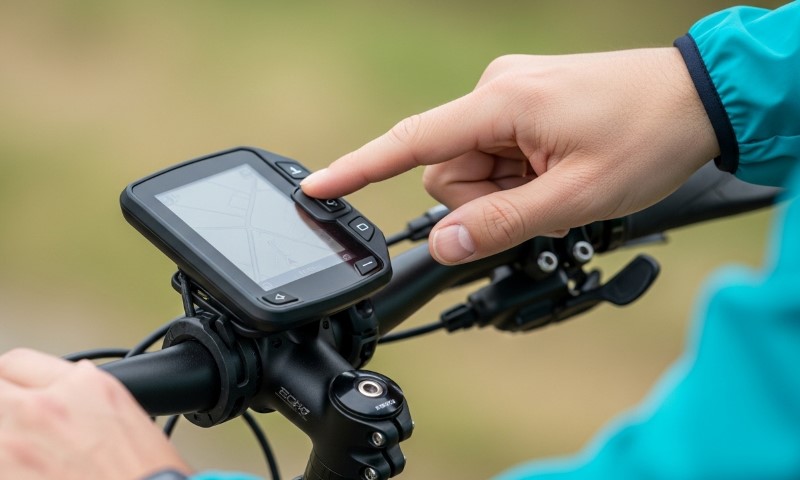
Speedometer requirements do not exist in isolation.
Legislators often connect equipment rules to safety goals, especially in areas where electric bicycles interact with pedestrians and traditional cyclists.
Assisted speed capability plays a significant role in risk assessment.
Why Speed Monitoring Matters
Speed limits aim to reduce collision risk and improve predictability in mixed traffic environments.
Electric bicycles capable of higher assisted speeds can close distance quickly, particularly on shared-use paths.
Speed limits aim to reduce collision risk and improve predictability in mixed traffic environments, a concern underscored by the prevalence of West Palm Beach bicycle accidents and similar cases in many other cities in teh US, where riders are injured by motor vehicles.
Speed monitoring supports compliance in several practical ways:
- Riders can confirm they are not exceeding the 20 mile per hour cap for Class 1 and Class 2 models
- Class 3 riders can track assisted speed up to 28 miles per hour
- Speed can be adjusted quickly in zones with posted limits lower than class maximums
Accurate onboard speed displays become especially valuable in jurisdictions that impose lower local caps on multi use trails or park pathways.
In such settings, even a Class 3 bicycle must often operate at speeds well below its maximum assisted limit.
Regulatory Variability
Speed limits and equipment rules differ across states and municipalities due to variations in infrastructure, traffic density, and safety priorities.
Urban centers with heavy pedestrian traffic may adopt stricter controls than rural areas with lower congestion.
Changes in regulation can affect riders who travel across state lines. One state may require a speedometer on a Class 3 electric bicycle, while a neighboring state may not impose that condition.
Similar differences can apply to helmet mandates, minimum age requirements, and permitted riding areas. Careful review of local codes becomes essential for consistent compliance.
Federal Versus State Speedometer Requirements
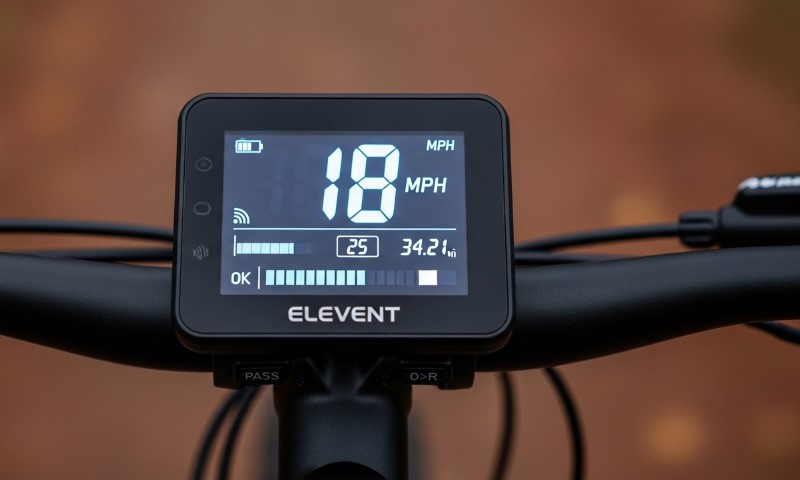
Regulation of electric bicycles in the United States operates on two primary levels. Federal law establishes baseline product definitions and safety standards.
State and local governments build on that baseline with operating rules and additional equipment requirements.
Federal Level Baseline
No federal mandate requires speedometers on electric bicycles that qualify as low-speed electric bicycles.
Consumer Product Safety Commission regulations focus on classification and manufacturing standards rather than rider instrumentation.
Federal requirements for low-speed electric bicycles are limited to core performance criteria:
- Fully operable pedals
- Motor output of less than 750 watts
- Maximum motor only speed of 20 miles per hour on a paved level surface
Compliance with these criteria places electric bicycles outside motor vehicle regulation at the federal level.
As a result, federal law regulates power and speed caps but does not require speed displays, odometers, or other dashboard style instruments.
State and Local Requirements
State laws introduce another layer of regulation. Many states adopt a three-class framework that ties operating privileges and equipment rules to assisted speed capability.
Class designation often determines access to bike paths, roadway use, age restrictions, and helmet mandates.
Texas provides a clear example of state level equipment regulation. State statute requires Class 3 electric bicycles to include a speedometer.
Requirement is linked to higher assisted speed capability, since Class 3 models provide pedal assist up to 28 miles per hour, which exceeds the 20 mile per hour baseline applied to Class 1 and Class 2 models.
Additional state level variations may include:
- Expanded or modified assisted speed limits
- Minimum rider age for higher speed classes
- Mandatory helmet use tied to class
- Equipment rules specific to Class 3 designation
Local ordinances can add further conditions. Municipalities may impose reduced speed limits in certain districts, require visible display of speed in shared use areas, or restrict higher speed electric bicycles on specific trails.
Riders must consult current state statutes and city codes to confirm applicable obligations.
Implications for Riders and Manufacturers
Practical consequences of speedometer requirements extend to both individual riders and companies that design and sell electric bicycles. Equipment decisions influence legal exposure, market access, and rider safety.
For Riders
View this post on Instagram
Review of state and local law should occur before purchasing or operating an electric bicycle.
Jurisdictions that regulate Class 3 models more strictly may require additional equipment and impose operating limitations.
Factors riders should confirm include:
- Class designation of the electric bicycle
- Maximum assisted speed
- Speedometer requirement for Class 3 models
- Helmet and age restrictions tied to class
- Permitted access to bike paths and trails
Knowledge of class based rules determines where riding is permitted and at what assisted speed.
Even in states that do not require a speedometer, installation of a reliable display can support safer riding habits and reduce risk of citations for exceeding posted limits.
For Manufacturers
Manufacturers face a complex regulatory environment shaped by federal baseline standards and varying state laws.
Product design decisions must account for equipment mandates in multiple jurisdictions.
Failure to include required components in states that mandate speedometers for Class 3 electric bicycles can lead to restricted sales or potential liability.
Companies that distribute products nationally often consider broader compliance strategies to simplify distribution.
Clear labeling supports compliance and consumer clarity. Effective labeling should identify:
- Electric bicycle class
- Maximum assisted speed
- Motor wattage rating
- Required equipment for certain jurisdictions
Installation of speedometers on higher speed models can reduce the need for state specific variations and simplify retail distribution in markets that mandate such devices.
Summary
Federal law does not impose a universal requirement that electric bicycles include a speedometer.
National standards focus on motor power limits and assisted speed caps rather than instrumentation.
Riders should consult applicable state and local statutes before purchase or operation of an electric bicycle.
The installation of a speedometer can function as a practical safety measure and assist with compliance in areas that regulate assisted speed by class.