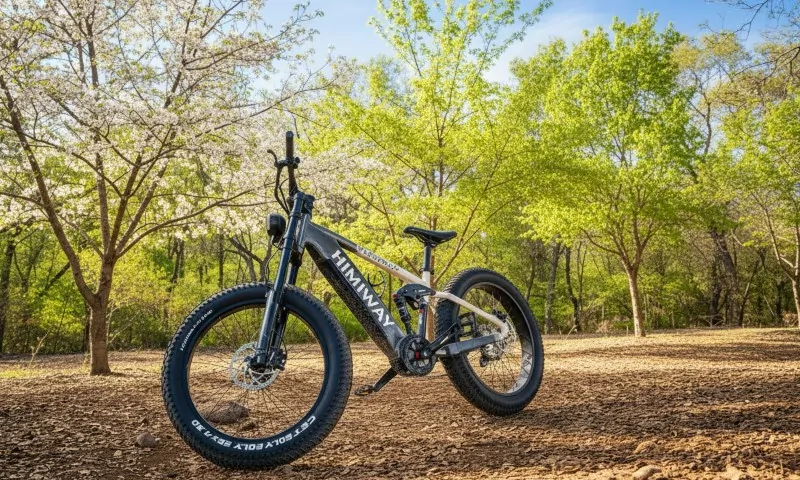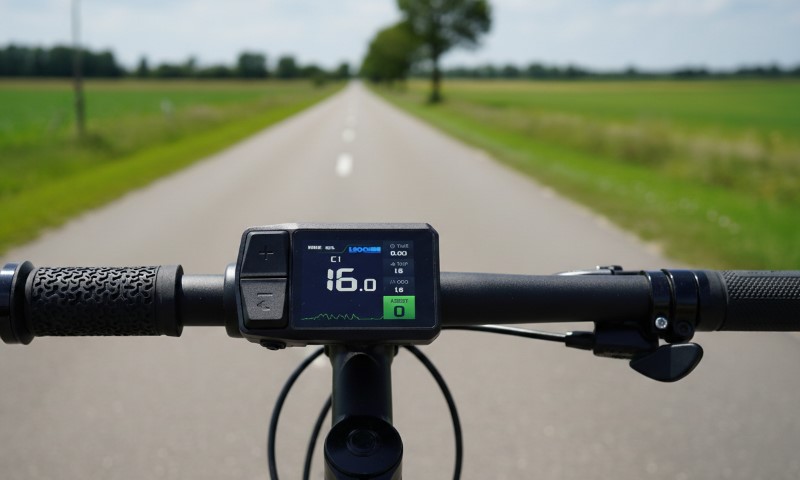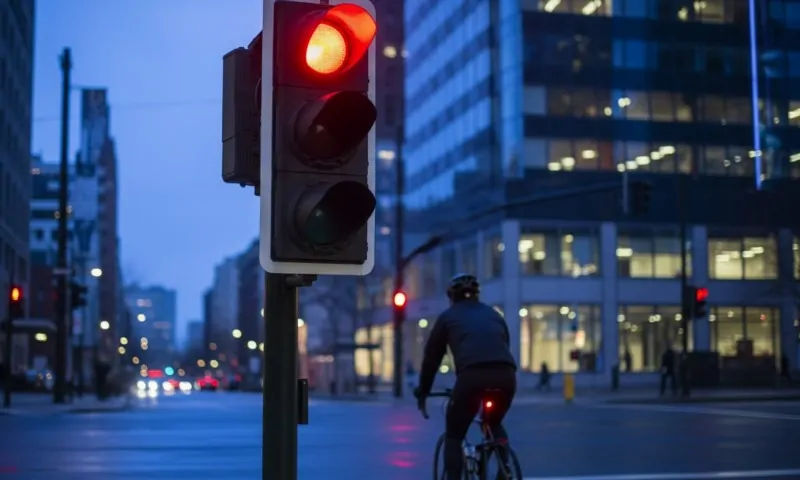
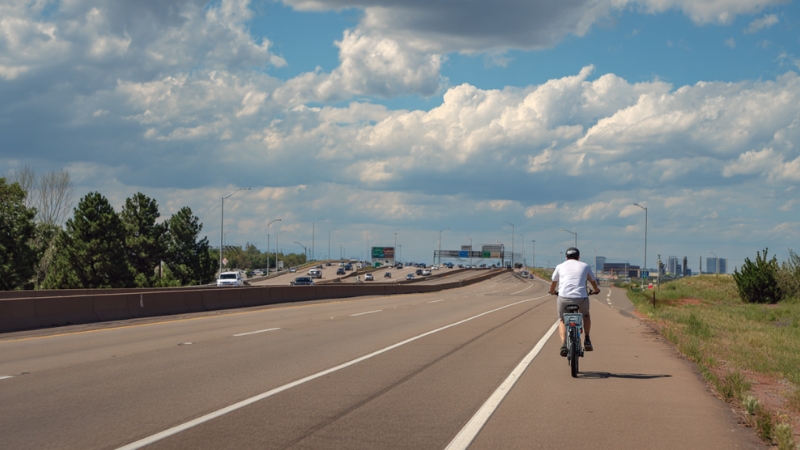
The short answer is sometimes. The longer, more useful answer depends less on whether you ride an e-bike and more on whether bicycles are allowed on that specific highway segment, plus how your state or country legally classifies your e-bike.
Across much of the United States, a compliant, bicycle-like e-bike is regulated similarly to a traditional bicycle when riding on roads.
That sounds simple until highways enter the picture. Limited-access highways, freeways, and interstates often follow a different rulebook.
Some allow bicycles and e-bikes only on certain segments. Some ban them outright. Others allow access only when signs or a transportation department program says so.
Here’s a practical, law-and-policy-based guide that shows how to determine legality, what restrictions usually apply, and how to think about safety if shoulder riding is allowed where you live.
Key Points
- E-bike shoulder riding is legal only where bicycles are legally allowed on that specific highway segment.
- Limited-access highways often ban bicycles and e-bikes entirely, including the shoulder, unless signs or DOT programs say otherwise.
- Your e-bike must be legally classified as a bicycle, usually Class 1, 2, or 3, or shoulder access can be prohibited.
- Legality varies by segment, signage, and state rules, so every highway must be checked individually.
Start With Definitions That Actually Matter

Before shoulder access makes sense, two definitions matter more than anything else: what the law calls an e-bike, and what the law means by a highway shoulder.
What Counts As An E-Bike Legally?
In the United States, e-bike regulation works on two main layers, and they often get confused.
Federal consumer product definition
Federal law defines a low-speed electric bicycle as a 2- or 3-wheeled vehicle with operable pedals, a motor under 750 watts, and a motor-only top speed under 20 mph on level ground with a 170-lb rider.
That definition comes from consumer product safety law. It controls manufacturing and sales standards, not where you may ride.
State traffic and access rules
States control road use. Most states define electric bicycles directly or use the common three-class system:
- Class 1: Pedal-assist, motor cuts off at 20 mph
- Class 2: Throttle-assisted, motor cuts off at 20 mph
- Class 3: Pedal-assist, motor cuts off at 28 mph
The class can affect access, required equipment, helmet rules, and whether riding is treated like bicycling or motorized travel.
If an electric bike exceeds typical bicycle-like limits, such as high power output, no pedals, or higher speeds, it may be classified as a moped or motor-driven cycle. That classification changes shoulder legality completely and often prohibits shoulder riding.
What Is A Highway Shoulder In Legal Terms?
According to the Washington State Department of Transportation, a shoulder is the paved or stabilized area next to the travel lanes, designed for emergency stopping and recovery. Whether riding there is allowed depends on several things working together:
- The road type, conventional highway or limited-access facility
- State statutes and transportation department rules
- Signs posted at entrance ramps and along the roadway
A shoulder is not automatically a bicycle space just because it exists.
Are Bicycles Allowed There?

In most jurisdictions, if bicycles are prohibited from a highway, a bicycle-like e-bike is also prohibited. That applies to the travel lanes and, in many states, the shoulder as well.
Where bicycles are allowed, shoulder riding may be expected or required, especially on higher-speed roads.
Limited-Access Highways Are The Flashpoint
Limited-access highways are designed for through traffic with controlled entry and exit. That design often comes with extra restrictions for non-motorized users.
Transportation departments regularly explain that some limited-access segments are closed to bicyclists entirely. Where bicycles are allowed, shoulder use is usually mandatory.
Florida takes one of the strictest approaches. State law prohibits operating a bicycle or other human-powered vehicle on the roadway or along the shoulder of a limited-access highway unless official signs and a designated, marked bicycle lane at the entrance show permitted use under a DOT pilot program.
California takes a conditional approach. Policy materials explain that bicycles are allowed on roughly one-fourth of California freeways, generally in non-urban areas where no safe and convenient alternative exists.
Washington State explains that some limited-access facilities are closed to bicyclists and publishes restriction maps. When bicycles are allowed, riders must use the shoulder.
The key lesson is consistency across states in one area: limited-access highways are treated differently, and the shoulder is usually part of that rule.
A Practical Decision Tree To Check Legality
Step 1: Identify The Road Type
- Conventional highway or state route: Bicycles and bicycle-like e-bikes are often allowed. Shoulder riding is usually legal and sometimes encouraged for safety.
- Freeway, interstate, or limited-access highway: Access is frequently restricted. Permission may exist only on certain segments or not at all.
Step 2: Look For Signs At Access Points And Along The Road
Many states enforce bicycle bans through signage. Signs reading “Bicycles Prohibited” or “No Pedestrians Bicycles Motor-Driven Cycles” apply to the entire facility, including the shoulder in states like Florida.
If signs prohibit bicycles, do not assume the shoulder is an exception.
Step 3: Check For Official DOT Maps Or Policy Lists
Several states publish lists or maps showing where bicycles are allowed on limited-access facilities.
Washington State DOT maintains a permanent bike restriction map. If a segment is closed, that is definitive.
California manages access on a segment-by-segment basis rather than a blanket rule.
Step 4: Confirm Your E-Bike’s Legal Class
A Class 1, Class 2, or Class 3 e-bike is usually treated like a bicycle for road access rules. A higher-powered or pedal-less vehicle may not be.
Misclassification is one of the most common reasons riders get cited.
Step 5: Check Local Overlays And Special Rules
Cities, counties, and bridge authorities may impose additional restrictions even where state law allows bicycles generally.
Never rely only on a statewide assumption when dealing with controlled-access infrastructure.
How Different States Handle Highway Shoulders
View this post on Instagram
The following examples show how varied the rules can be.
Florida: Shoulder Prohibition Without Explicit Permission
Florida law prohibits bicycles and other human-powered vehicles from the roadway and shoulder of a limited-access highway unless signs and a designated bicycle lane indicate permitted use under a DOT program.
Washington: Conditional Access With Mandatory Shoulder Use
Washington DOT explains that some limited-access facilities are closed to bicyclists. Where allowed, bicyclists must use the shoulder.
California: Conditional Freeway Access Where No Alternate Route Exists
California policy allows bicycle access on certain freeway segments, generally outside urban areas and where no safe alternate route exists.
Oregon: General Allowance With Urban Exceptions
Oregon materials indicate that interstate riding is permitted in many areas, with notable exceptions in certain urban zones.
How E-Bike Class Affects Shoulder Risk

Legal access does not eliminate risk. Shoulder riding on high-speed roads carries a different hazard profile than typical street riding.
Speed Differential Is The Core Danger
Motor vehicle speeds on highways far exceed bicycle speeds. Even a Class 3 e-bike assisting up to 28 mph still faces a large speed differential.
That gap increases crash severity at:
- On-ramps and off-ramps
- Narrow bridges
- Rumble strip zones
- Areas with heavy debris near the fog line
Safety Data Shows Why Caution Matters
U.S. bicyclist fatalities remain high. IIHS reports 1,155 bicyclists killed in crashes with motor vehicles in 2023, the highest number recorded in that series, with most deaths involving adults.
NHTSA’s 2023 Traffic Safety Facts report provides additional context on crash patterns and cyclist exposure.
High-speed facilities amplify consequences, even when riding is legal.
Riders injured on high-speed roads often face complex fault questions, which is why consulting experienced Colorado bicycle accident lawyers can matter after a serious shoulder crash.
Rules And Restrictions That Still Apply On The Shoulder
Normal Rules Of The Road Still Apply
Where e-bikes are treated as bicycles, riders must obey traffic signals, signs, right-of-way rules, and direction of travel requirements.
Shoulder Use May Be Mandatory
On limited-access highways that allow bicycles, states like Washington require riders to use the shoulder rather than the travel lane.
Night Riding Equipment Is Often Required
Shoulders are frequently unlit. Many states require front lights, rear lights, and reflectors at night. On high-speed roads, visibility should be treated as mandatory even during low-light hours.
Bridges And Tunnels Often Have Separate Rules
Some bridges and tunnels have narrower shoulders or unique restrictions. Florida explicitly includes bridges in its limited-access highway rules.
Best-Practice Safety Guidance For Legal Shoulder Riding
Use this guidance as operational advice, not a substitute for local law.
Typical Highway Shoulder Conditions And Conflict Zones
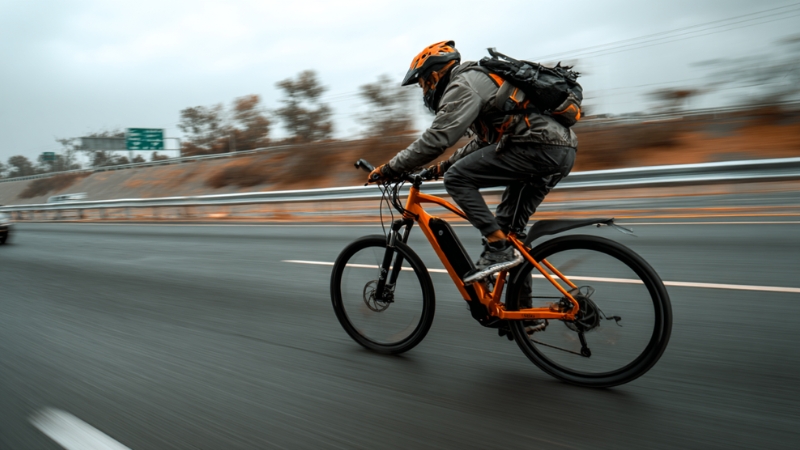
Highway shoulders look simple at a glance, but in real-world riding, they combine fast traffic, unpredictable merges, debris, and narrow margins that turn certain stretches into consistent conflict zones.
Shoulder Positioning And Scanning
Ride far enough from the pavement edge to avoid gravel, broken asphalt, and debris, but not so far left that you enter rumble strips or traffic lanes.
Expect debris near the fog line, including glass and tire wire.
Scan far ahead for stalled vehicles, narrowing shoulders, drainage grates, and gore areas.
Treat Ramps Like Intersections
On-ramps and off-ramps are the highest-risk areas.
Assume drivers are looking for cars, not bicycles.
Avoid riding through gore areas where vehicle paths cross unpredictably.
Manage Speed And Battery Conservatively
High assist narrows reaction time. Do not rely on speed to stay safe.
Maintain battery reserves so you are not forced into unsafe stops on narrow shoulders.
Reduce Exposure Time
If a shoulder segment is legal but risky, minimize time spent there:
- Enter and exit where shoulders are widest
- Avoid peak traffic hours
- Use parallel routes whenever possible
What To Verify Before Riding
Check
What You Are Verifying
Why It Matters
Road classification
Conventional highway vs limited-access facility
Limited-access roads often restrict bicycles
Posted signs
Bicycle prohibition or explicit permission
Some states require signage to allow access
DOT maps or policies
Segment-level access
Rules can change within the same route
E-bike class
Class 1, 2, or 3 vs motor-driven
Classification controls road treatment
Local overlays
City, county, bridge rules
Local rules may override general assumptions
Outside The United States – Do Not Assume Similar Rules Apply
Other countries use different frameworks. In the UK, electrically assisted pedal cycles follow specific requirements, and access to high-speed roads can still be restricted.
Always treat controlled-access routes as a separate question from whether an e-bike is legal in general.
Bottom Line
@eluxelectricbikes Can electric bike be used on highway? E-Bike Insider JP Blake shares his knowledge and experience from a decade in the business to help educate you and others about e-bikes. #Ebike #Electricbike #Ebikes #Ebikelife #Ebiketiktok ♬ Starry Nights – ultmt. & Hz.
It can be legal to ride an e-bike on a highway shoulder, but only when bicycles are allowed on that specific highway segment and the e-bike is legally treated as a bicycle in that jurisdiction.
Limited-access highways are where most prohibitions live, and some states include the shoulder in the ban unless signed permission exists.
Treat legality as a segment-level decision. Then evaluate safety separately by looking at speed differences, shoulder width, ramp density, lighting, and debris exposure.