Shopping for a kid’s electric bike in 2026 feels very different from how it did even a few years ago. The conversation has shifted away from chasing top speed and flashy specs. What matters now is fit, control, braking, and how the bike actually matches the way a child rides day to day.
A 6-year-old learning to throttle in a driveway needs a completely different setup than a 14-year-old riding bike lanes or shared paths to school.
There is another reality parents run into fast. A lot of products labeled “kids’ electric bikes” fall into three very different buckets:
- True pedal-assist bicycles scaled for smaller riders
- Compact or micro e-bikes that feel closer to small mopeds
- Electric balance bikes or mini dirt bikes meant for off-road use
Parents tend to compare all three anyway, so all three categories are covered here.
Prices listed come from legitimate retailers or brand-direct stores. Inventory, colors, and promotions change often, so treat pricing as a current snapshot rather than a fixed rule.
Prices and Core Specs
How These Picks Were Chosen
Any “best kids e-bike” list breaks down fast if it ignores the reasons parents regret purchases later.
Fit matters more than power. Wheel size, standover height, and reach control confidence far more than motor numbers.
Speed needs context. Mixed-use paths, sidewalks, and bike lanes demand judgment that kids are still developing.
Brakes are not a footnote. Mechanical disc brakes work for lighter and slower bikes, but hydraulic brakes can be a meaningful safety upgrade once speeds rise or trails enter the picture.
Evaluating long-term Cyclist safety was part of the selection process, especially for bikes intended for neighborhood riding or commuting where tracking, awareness, and accountability matter.
Battery and electrical safety deserve real scrutiny. Reputable brands and transparent certification language matter, especially as reports of battery fires and recalls have grown.
Medical groups have also raised alarms. A 2024 bulletin from the American College of Surgeons cited public data showing sharp increases in reported e-bike injuries in certain regions, with pediatric trauma forming a significant portion of cases involving riders under 18. That context shaped every recommendation below.
1. Specialized Turbo Levo SL Kids
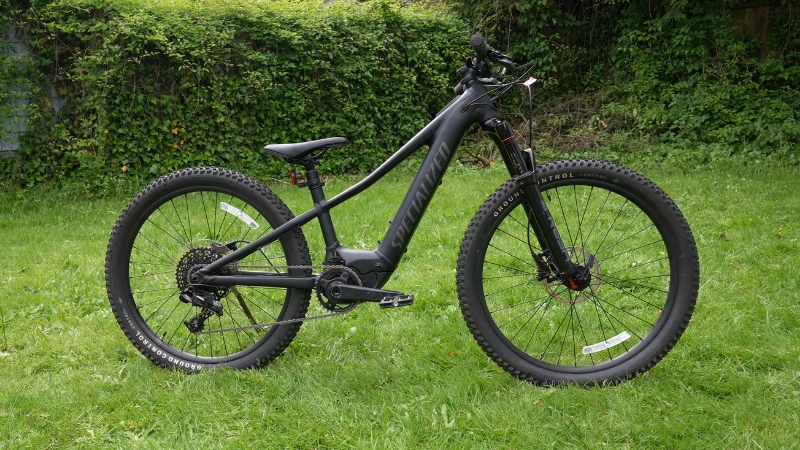
Best Premium Pedal-Assist For Real Trail Riding
The Turbo Levo SL Kids stands out because it feels like a real mountain bike first and an electric assist system second. It is built as a youth e-MTB rather than an adult frame shrunk down.
- Price: $2,999.99
- Best for: Confident young riders with established trail skills
Parents gravitate toward it for youth-specific geometry, hydraulic disc brakes, and suspension tuned for lighter riders.
Specialized also offers app-based tuning through its Mission Control system, allowing parents to limit assistance early and increase it gradually.
The tradeoff is price, and the responsibility that comes with trail riding. Motor assistance helps with climbs, but skill still matters on descents.
Parent checklist
- Use app controls early and treat speed increases as progression
- Budget for a proper trail helmet and gloves
2. JackRabbit XG
Best Ultra-Compact Micro E-Bike
The JackRabbit XG does not ride like a traditional bicycle. It is a compact electric runabout built for portability and convenience.
- Price: $1,749.99
- Claimed specs: 500W peak motor, 20+ miles range
Its appeal lies in easy storage, quick setup, and casual neighborhood use. For camping trips or short rides with parents, it can make sense.
The smaller wheels and different ride feel mean it is not ideal for building classic cycling skills.
Parent checklist
- Treat it like a powered vehicle, not a toy
- Stick to low-traffic areas until scanning habits improve
3. Schwinn Hurricane Compact
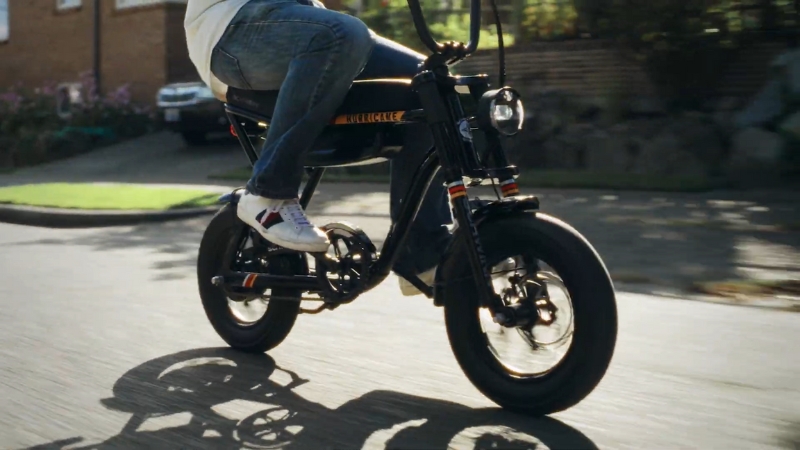
Best Budget Compact E-Bike For Teens
Schwinn’s Hurricane Compact offers a recognizable brand at a realistic price point.
- Price: $699.99
- Top speed: Up to 17.5 mph
- Range: Up to 30 miles
It hits a middle ground for teens who want independence without extreme speed. Components are basic but serviceable, and the compact format helps with storage.
Parent checklist
- Review local path rules
- Practice braking distance early
4. Lectric XP Lite 2.0
View this post on Instagram
Best Value Platform For Older Kids And Teens
The XP Lite 2.0 appeals to families chasing value without stepping into unknown brands.
- Price: From $999
- Why parents like it: Broad adoption and transparent safety language
Its folding design works well for apartments and shared spaces. Weight and handling feel different than a rigid frame, so hands-on practice matters.
Parent checklist
- Run parking-lot drills for starts and emergency stops
- Add bright lights, even if the bike includes basics
5. Ride1Up Roadster V3
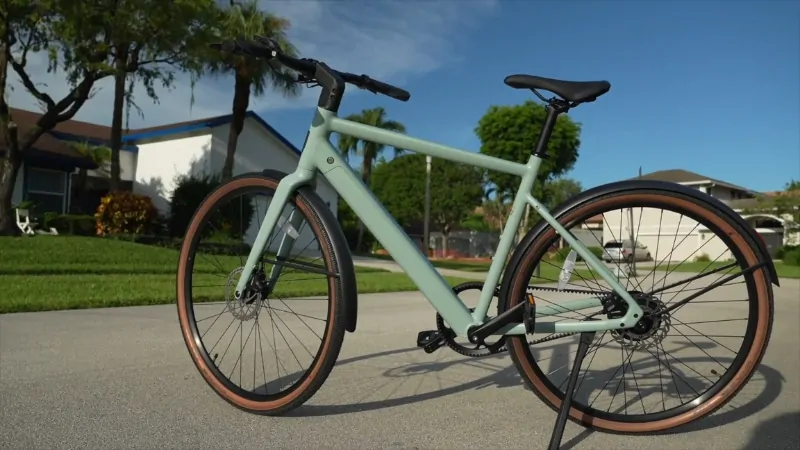
Best Bike-First Commuter For Experienced Teens
The Roadster V3 keeps a traditional bicycle feel while offering higher performance.
- Price: From $1,395
- Range: Commonly cited at 30 to 50 miles
It suits older teens with consistent road awareness. Faster capability raises stakes, so local rules and maturity matter more than age labels.
Parent checklist
- No earbuds in traffic
- Lights and reflectors from day one
6. Huffy Quantis 24-Inch
@huffyukeu Looking for a lightweight kids bike? The Huffy Literides are the perfect bikes for you #kids #kidsbike #lightweight #aluminium ♬ Glow – nimino
Best Smaller-Wheel Pedal-Assist Option
The Quantis fills an important gap for kids who are too big for balance bikes but not ready for adult frames.
- Price: $1,149.99
- Motor: 250W
- Top speed: Up to 15 mph
- Battery: 36V 7.8Ah
Mechanical disc brakes require proper setup and maintenance, but speed remains conservative.
Parent checklist
- Emphasize smooth braking, not grabbing levers
- Keep assist low during early weeks
7. STACYC 16eDRIVE Brushless
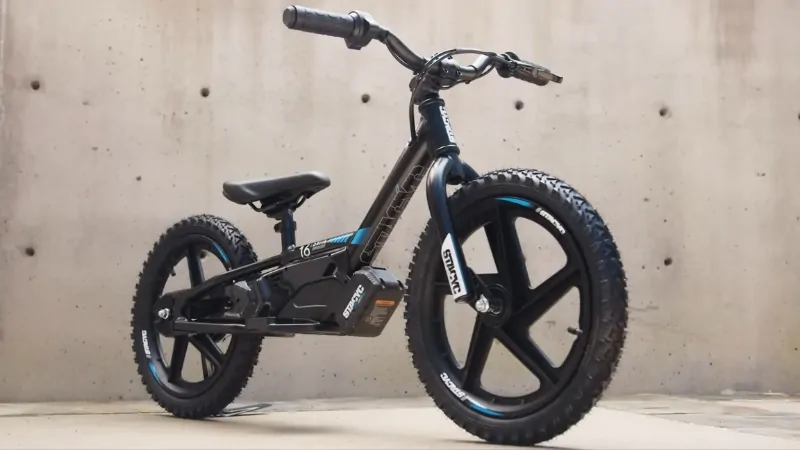
Best For Ages 5 To 7 Learning Powered Control
STACYC bikes teach throttle control and balance rather than pedaling.
- Price: $1,049.00
- Power modes: ~6 mph, ~8 mph, ~13.5 mph
- Runtime: 30 to 60 minutes
It works well as a stepping stone into mountain biking or dirt riding, with clear progression built into the design.
Parent checklist
- Stay in the lowest mode longer than expected
- Full protective gear every ride
8. Razor Dirt Rocket MX350
Best Budget Off-Road Electric Dirt Bike
The MX350 is a backyard favorite that parents often lump into the e-bike category.
- Price: $399.99 brand-direct
- Top speed: Up to 14 mph
- Use time: Up to 60 minutes in low mode
It should be treated as an off-road vehicle rather than transportation.
Parent checklist
- Confirm legal riding locations
- Eye protection and gloves are essential
Rules and Safety Basics Parents Should Know
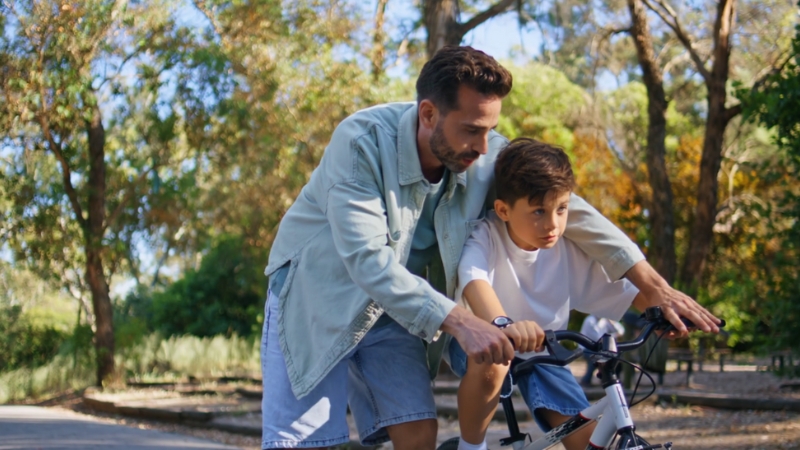
Parents need a clear grasp of the basic rules, safety standards, and real-world risks that come with putting a child on an electric bike.
E-Bike Classes and Why Speed Limits Matter
In the US, e-bikes usually fall into three classes:
- Class 1: Pedal-assist only, assistance stops at 20 mph
- Class 2: Throttle-capable, max 20 mph
- Class 3: Pedal-assist only, assistance stops at 28 mph
Advocacy groups like PeopleForBikes summarize this system clearly, and the same framework shows up in safety research and municipal rules.
For families, the takeaway is simple. Many states and cities restrict Class 3 use by younger riders, and throttle-equipped bikes often face stricter rules on shared paths. Before buying, verify what your local rules allow on streets, bike lanes, and multi-use trails.
A Practical Speed Guideline for Kids
The American College of Surgeons bulletin references guidance from the U.S. Consumer Product Safety Commission suggesting children under 12 should not operate e-bikes capable of more than 10 mph.
That recommendation is not a universal law, but it serves as a grounded checkpoint when a fast bike starts to look tempting.
Helmet Effectiveness in Plain Terms
A large body of safety research shows helmets reduce the risk of head injury. The National Highway Traffic Safety Administration summarizes evidence supporting helmet effectiveness for riders of all ages.
As speeds rise or off-road riding enters the picture, helmets with more coverage become a smart upgrade, along with gloves and eye protection where appropriate.
Battery and Electrical Safety
Look for clear safety language from brands and retailers. Companies that openly discuss certification, testing, and battery sourcing tend to take scrutiny seriously.
For example, Lectric highlights UL-related certifications on its product pages, which helps separate established players from no-name imports with little accountability.
A Simple Buying Framework That Avoids Most Mistakes
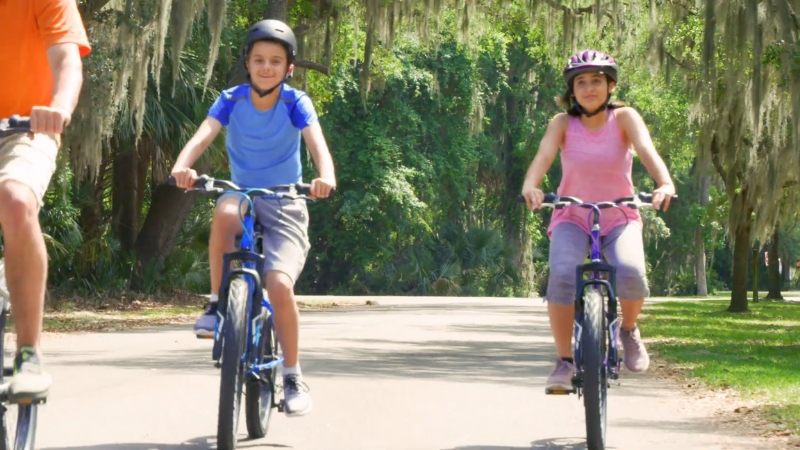
Most bad e-bike purchases for kids happen when parents shop specs first and real-world riding second, so a simple framework helps narrow the field quickly and avoid expensive regrets.
1. Pick the Category First
- Pedal-assist bicycle: Skill-building and commuting
- Compact micro e-bike: Portability and convenience
- Balance or dirt bike: Off-road learning
2. Match Speed to Maturity
Before raising speed, confirm the rider can:
- Stop smoothly without skidding
- Shoulder-check without drifting
- Yield properly at crossings
- Hold a steady line near pedestrians
3. Favor Reputable Brands and Transparency
Medical observers continue to flag rising injury rates and battery risks. Buying from brands that expect scrutiny remains the safest approach.
Final Thoughts
The best electric bike for a kid in 2026 fits how that child actually rides, not how fast a spec sheet looks.
When speed, fit, and braking align with maturity and environment, electric bikes become a useful tool rather than a constant worry.