For years, electric bicycles in New Jersey lived in a gray zone that felt friendly to riders. Buy an e-bike, charge it, ride it. Paperwork rarely entered the conversation. That world ended on January 19, 2026, when the state signed a law that quietly but decisively rewrote how e-bikes are treated under traffic and motor vehicle rules.
By 2026 standards, most real-world e-bike riding in New Jersey now comes with licensing and registration requirements. In some categories, insurance enters the picture as well. Riders who still rely on the old Class 1, Class 2, Class 3 framework often find themselves surprised when enforcement or registration questions come up.
The reason is simple. The legal definitions changed. Compliance now follows statutory language, not marketing labels on a box or website.
Let’s explain how the 2026 rules actually work, who needs a license, when registration is required, where riding is allowed, and why July 19, 2026, matters so much.
Key Points
- Most privately owned e-bikes in New Jersey will require both registration and a qualifying license when used on public roads in 2026.
- Only pedal-assist e-bikes capped at 20 mph qualify as low-speed electric bicycles; anything faster or throttle-based faces stricter rules.
- Insurance is referenced in the statute, and riders should expect to carry proof during operation, even as details continue to evolve.
- July 19, 2026, functions as the practical compliance deadline following the January law change.
What Changed In January 2026
On January 19, 2026, New Jersey enacted a law that reshaped micromobility regulation. The update did several things at once:
- Redefined what counts as a low-speed electric bicycle
- Folded most e-bikes into the motorized bicycle licensing structure
- Required registration for low-speed electric bicycles
- Set age and license thresholds tied to motorized bicycle rules
- Banned certain modification kits
- Created a one-year online sales ban for a specific high-power category
Public-facing pages and older guidance still reflect the earlier framework in some places. Statutory text controls in 2026.
How New Jersey Defines A Low-Speed Electric Bicycle In 2026
Under the amended definition, a low-speed electric bicycle is a two-wheeled pedal assist bicycle where the motor provides assistance only while pedaling and stops assisting at 20 mph.
The prior throttle-based definition often associated with “Class 2” appears bracketed out in the statute. In legislative drafting, bracketed language signals removal. That single formatting choice carries major consequences.
Pedal assist only, capped at 20 mph, now sits in a specific legal box. Anything outside that box slides into a different regulatory territory.
The Separate Category That Changes Everything: Electric Motorized Bicycles
New Jersey now emphasizes a category called an electric motorized bicycle.
Under the statute, an electric motorized bicycle is a two-wheeled vehicle with operable pedals and an electric motor capable of greater than 750 watts that can reach a speed greater than 28 mph.
That definition matters for two reasons.
First, vehicles meeting it face higher enforcement scrutiny under motorized bicycle rules.
Second, for one year following the law’s effective date, nobody may sell or offer for sale on the Internet any electric motorized bicycle as defined above.
That online sales ban targets high-power, high-speed machines. It does not automatically prohibit purchasing a standard 750W, 20 mph pedal assist e-bike online.
The Core Operational Shift: Licensing And Registration
The biggest practical change comes from how the law treats low-speed electric bicycles compared with low-speed electric scooters.
The micromobility section now draws a bright line:
- Low-speed electric scooter operators do not need registration, insurance, or a driver’s license
- Low-speed electric bicycle operators must register the bike and hold a qualifying license
In day-to-day terms, New Jersey now treats most e-bikes more like mopeds than like scooters.
Do You Need A License To Ride An E Bike In New Jersey In 2026
For most people riding an e-bike on public roads in New Jersey in 2026, the answer hinges less on the bike’s label and more on how the law now treats e-bikes under the state’s motorized bicycle licensing rules.
Privately Owned E Bikes On Public Roads
In most situations, yes.
The amended motorized bicycle licensing section sets clear age and license thresholds:
- No one under 15 may operate a low-speed electric bicycle or motorized bicycle
- Riders age 17 or older must possess a valid basic driver’s license, a valid motorized bicycle license, or a permit
- Riders age 15 or 16 must possess a valid motorized bicycle license or permit
A Narrow Exception For Shared Rentals
A carveout exists for low-speed electric bicycles rented from a company operating under a contract with a local government.
In that specific scenario, the operator does not need to possess a driver’s license or motorized bicycle license, or permit, provided the company requires riders to be 16 or older.
Tourists and casual riders using municipal or docked systems may fall under this exception. Privately owned e-bikes do not.
Registration Requirements In Plain Terms
The statute states that no low-speed electric bicycle or motorized bicycle may be operated on public highways or public lands unless registered by the owner.
Shared-bike companies receive a special administrative pathway that allows serial numbers to be submitted quarterly rather than registering each bicycle individually.
For individual owners, registration represents a new administrative step that did not exist for most riders before 2026.
What Riders Must Carry While Operating
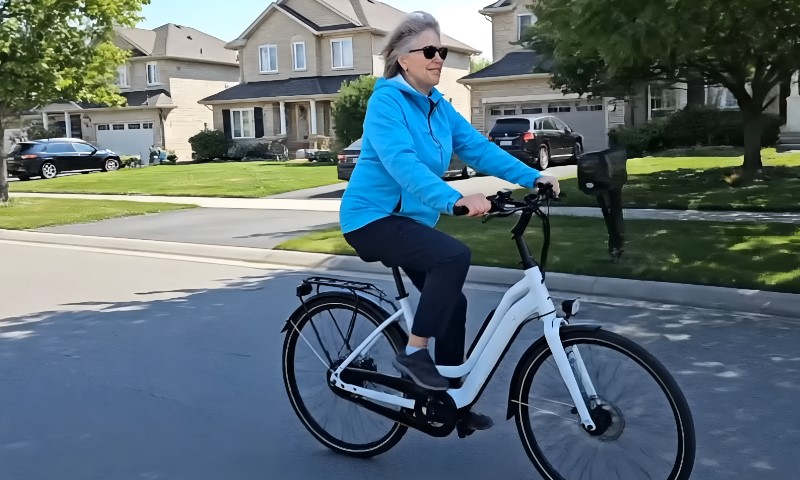
The amended text includes a carry requirement that applies when operating with the motor engaged on New Jersey highways.
Riders must have:
- A valid driver’s license or motorized bicycle license or permit
- A registration certificate
- An insurance identification card
Violations can carry a fine of up to $50.
That last item leads directly to the most confusing part of the new framework.
The Insurance Question And Why It Feels Unsettled
The statute references an insurance identification card for both motorized bicycles and low-speed electric bicycles. It also discusses verifying evidence of an insurance policy “as it relates to the coverage of the motorized bicycle.”
That wording creates real-world ambiguity.
It also helps to know how comparative fault in NJ injury claims may influence compensation or liability after an incident involving e-bikes.
Industry and advocacy summaries published immediately after enactment often describe the law as requiring insurance for e-bikes broadly. Some reporting frames it as universal insurance for all e-bikes.
At the same time, implementation details through the New Jersey Motor Vehicle Commission were still under development after enactment.
According to NJ Bike Ped, riders should expect enforcement to focus on the documents explicitly listed in the statute unless and until the state issues clarifying regulations.
Age And Licensing Rules By Scenario
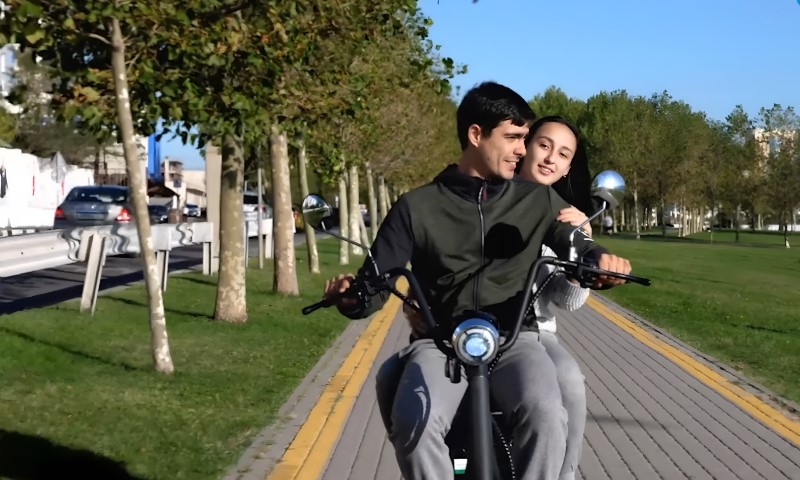
Age and licensing requirements for e-bike riders in New Jersey change depending on how old the rider is, what they are riding, and whether the bike is privately owned or part of a shared program.
Riders Age 17 Or Older
Operation is permitted with either:
- A valid basic driver’s license
- A valid motorized bicycle license or permit
Riders Age 15 Or 16
Operation is permitted only with a motorized bicycle license or permit.
Riders Under 15
Operation of a low-speed electric bicycle or motorized bicycle is prohibited.
Shared Low-Speed E Bike Rentals
License possession may not be required if the program operates under a local government contract and enforces a minimum rider age of 16.
Where Riding Is Allowed And Where It Is Not
Licensing and registration do not grant universal access.
Under the micromobility section:
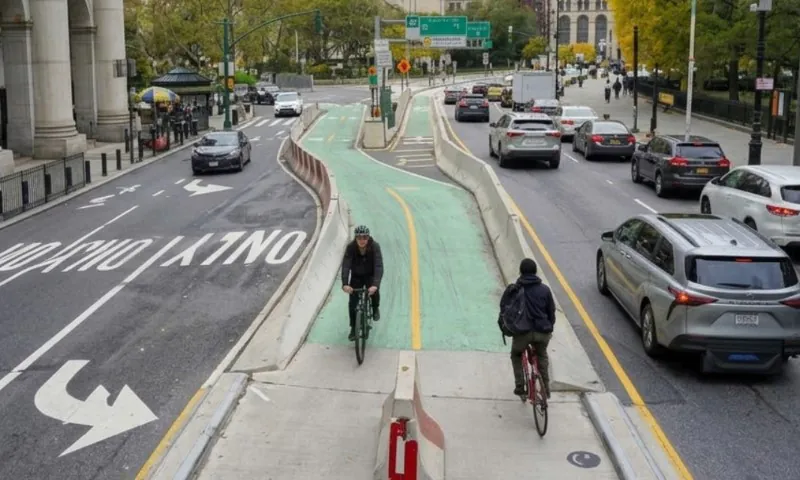
- Low-speed electric bicycles may operate on bicycle paths
- Local government entities or state agencies may prohibit their operation on paths under their jurisdiction
- Unless explicitly permitted, low-speed electric bicycles may not operate on natural surface trails designated for non-motorized traffic
Equipment And Safety Rules That Catch Riders Off Guard
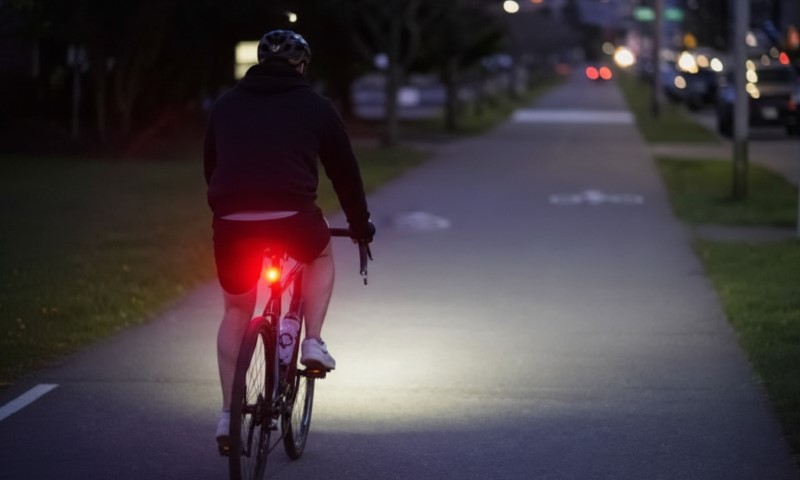
Even riders who have their licensing and registration sorted often get tripped up by equipment and safety rules that are buried in the statute but enforced on the street.
Modification Kits Are Prohibited
No person may sell or offer for sale modification kits designed to convert a low-speed electric bicycle into a motorized bicycle or an electric motorized bicycle.
Speed unlock kits, power upgrades, and similar products marketed as “off-road use” still create exposure under New Jersey law.
Reflectors Are Required At Night
Operation from dusk to dawn requires a reflector installed on the bicycle.
Small details like reflectors often become the basis for stops.
One-Year Online Sales Ban For Electric Motorized Bicycles
For one year following January 19, 2026, selling or offering for sale on the Internet any electric motorized bicycle as defined in the statute is prohibited.
High-power, high-speed models fall squarely within the enforcement focus during that window.
2026 New Jersey E Bike Classification Table
Why July 19, 2026, Keeps Appearing
The law includes a six-month compliance window tied to the effective date.
That window allows time for riders to register, insure, and become licensed to operate a motorized bicycle that was not previously subject to such requirements.
Multiple micromobility and industry summaries interpret July 19, 2026, as the practical deadline for compliance following the January 19, 2026, signing.
Why Lawmakers Made The Shift
Sponsors described a dramatic increase in e-bike use and framed the update around safety, speed, and youth riders.
Local reporting around the enactment referenced fatal crashes. Lawmakers cited two deaths in separate incidents during discussions.
National data reinforces the broader concern:
- The S. Consumer Product Safety Commission reported that estimated e-bike injuries more than quadrupled from 2017 to 2022 and documented 53 e-bike-related deaths during that period
- A peer-reviewed analysis in the American Journal of Public Health showed sharply rising injury rates for e-bikes and e-scooters over time
- Research summarized by the University of California, San Francisco, described rapid growth in e-bike injuries and an increasing share involving head and neck trauma
Those trendlines help explain why New Jersey moved e-bikes from novelty rules into the broader traffic system.
Examples
Example 1: Adult Commuter On A 20 Mph Pedal Assist Bike
A 35-year-old commuting on a pedal-assist bicycle capped at 20 mph must register the bike and hold a valid driver’s license or motorized bicycle license, or permit.
Example 2: Teen Riding A Throttle E Bike To School
A 16-year-old riding a throttle-equipped e-bike treated as a motorized bicycle must hold a motorized bicycle license or permit. Operation under the age of 15 is not allowed.
Example 3: Tourist Using A Municipal Shared E-Bike
A tourist renting a shared low-speed e-bike under a local government contract may ride without possessing a license credential if the system enforces a minimum rider age of 16.
How To Stay Compliant In 2026
View this post on Instagram
Staying compliant in 2026 comes down to knowing how New Jersey now classifies your e-bike, what paperwork applies to your situation, and which riding habits quietly trigger enforcement.
Identify What The Bike Actually Does
Focus on behavior and capability rather than marketing labels.
- Pedal assist only with a 20 mph cutoff points toward low-speed electric bicycle status
- Capability over 750 watts and speeds above 28 mph triggers electric motorized bicycle classification
Plan For Licensing And Registration
Assume both are required for privately owned e-bikes used on public roads.
Carry Documentation When The Motor Is Engaged
License, registration, and insurance identification belong on hand during operation on highways.
Avoid Modification Kits
Selling or offering prohibited kits is explicitly banned. Ownership and use invite scrutiny.
Treat Local Path Rules As Separate
State licensing does not override local or agency-specific restrictions.
Closing Thoughts
In 2026, riding an e-bike in New Jersey looks far more like participating in traffic than coasting under bicycle-only rules.
Licensing and registration now sit at the center of compliance for most riders. Anyone relying on older assumptions risks fines, enforcement issues, or worse.